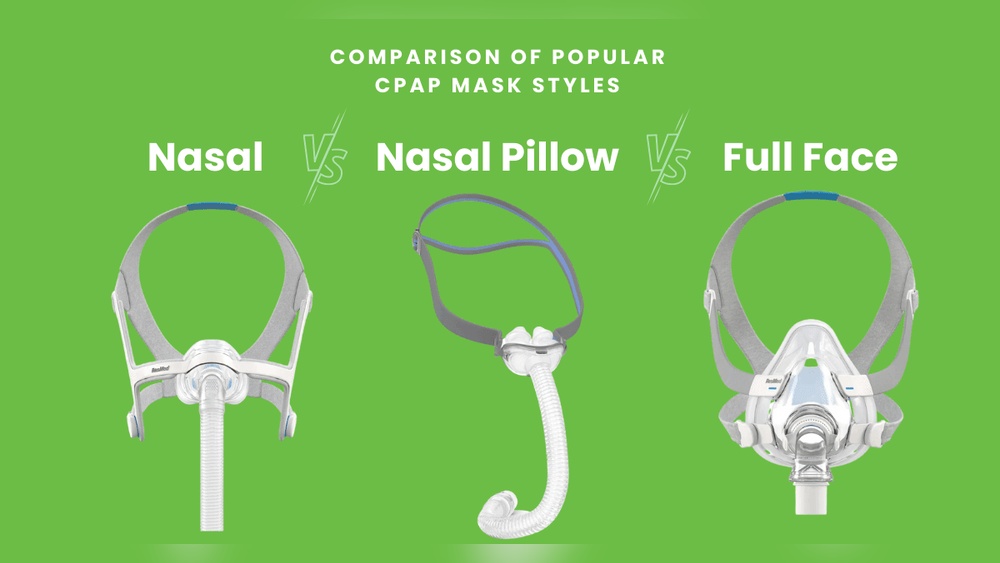
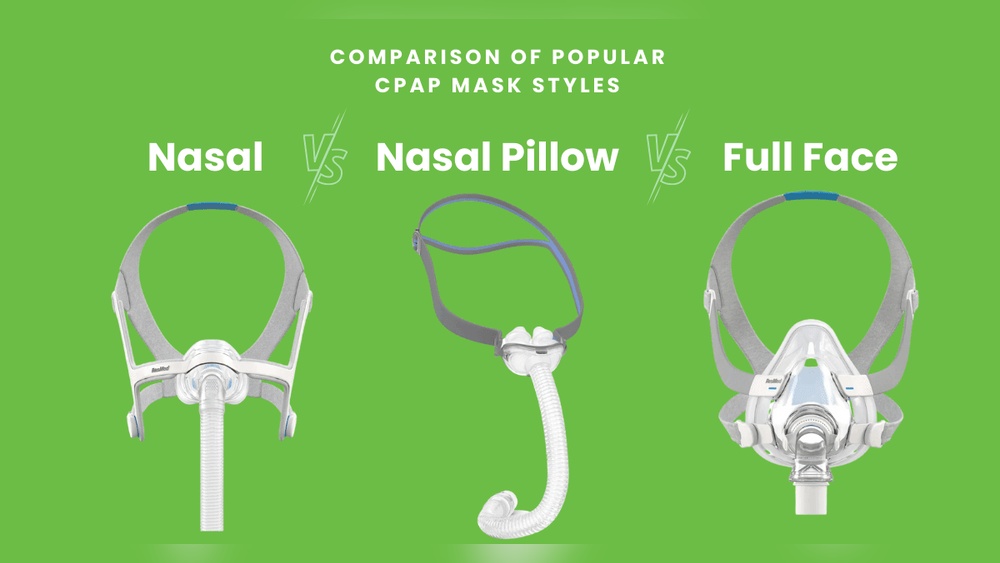
Are you struggling to choose between a nasal pillow and a nasal cushion for your CPAP therapy? Picking the right mask can make all the difference in your comfort and sleep quality.
You want something that fits well, feels good, and helps you breathe easy through the night. But how do you know which one suits you best? You’ll discover the key differences between nasal pillows and nasal cushions. By the end, you’ll feel confident about making the right choice for your sleep needs.
Keep reading to find out which option can help you wake up refreshed every morning.
Nasal Pillow Design
The design of nasal pillows and nasal cushions plays a key role in comfort and effectiveness. Each design targets different user needs and preferences. Understanding their structure and materials helps choose the best option.
Structure And Fit
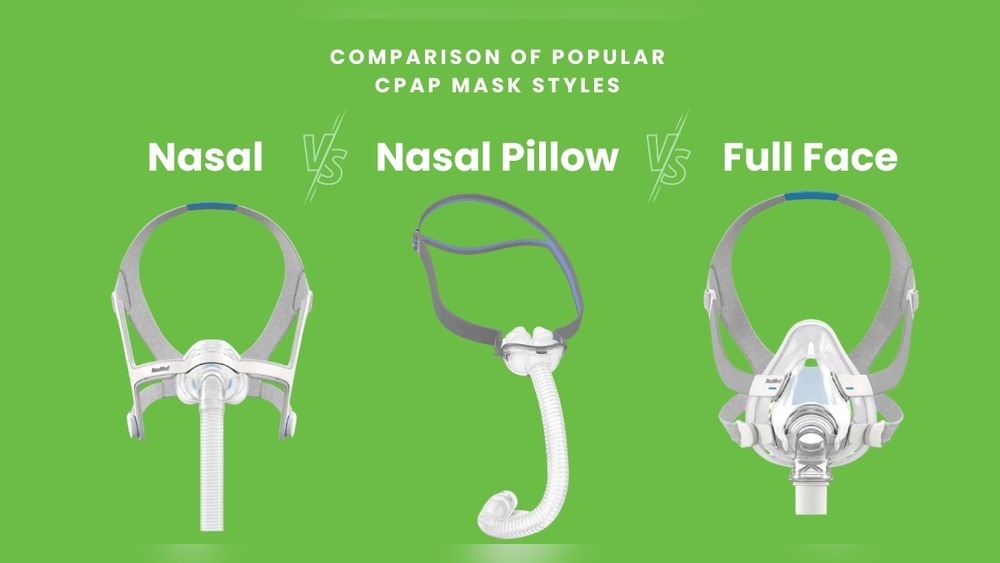
Nasal pillows have small, soft tubes that fit directly into the nostrils. They are minimal and lightweight, causing less contact with the face. This design reduces pressure and feels less bulky.
Nasal cushions cover the nose’s base and seal around the nostrils. They are larger and create a soft barrier between the mask and skin. This design suits users who prefer more coverage and stability.
Materials Used
Nasal pillows use soft silicone or gel for a gentle fit inside the nostrils. These materials help prevent irritation and ensure a secure seal.
Nasal cushions often combine silicone with foam padding. The foam adds extra softness and comfort on the skin, reducing red marks and soreness.

Credit: www.thecpapshop.com
Nasal Cushion Design
The design of a nasal cushion plays a key role in comfort and effectiveness. It affects how the mask fits and how well it seals around the nose. A good design helps avoid leaks and skin irritation. Nasal cushions come in various shapes and sizes to fit different faces.
Structure And Fit
Nasal cushions have a soft, flexible frame that rests against the nose. They cover the area around the nostrils to create a tight seal. The shape adapts to the nose’s contours for better comfort. Some cushions are shaped like a small pillow, while others have a larger, rounded edge. Proper fit prevents air from escaping and keeps therapy effective.
Materials Used
Most nasal cushions use silicone or gel materials. Silicone is soft and durable, providing a gentle touch on the skin. Gel cushions offer extra softness and can feel cooler during use. Both materials are easy to clean and maintain. The choice of material affects comfort and how long the cushion lasts.
Comfort Comparison
Comfort plays a big role in choosing between nasal pillows and nasal cushions. Both aim to provide a good seal for breathing devices. Yet, their design affects comfort in different ways. Let’s explore how they compare on pressure points, skin sensitivity, and breathability.
Pressure Points
Nasal pillows rest just inside the nostrils. They apply light pressure at the nose tips. This can cause discomfort for some users after long use. Nasal cushions cover the nose’s base and bridge. They spread pressure over a larger area. This reduces the chance of sore spots or pain.
Skin Sensitivity
People with sensitive skin may find nasal cushions gentler. Cushions use soft silicone that hugs the nose. Nasal pillows touch fewer skin areas but press harder on nostrils. This may irritate delicate skin for some users. Cushions usually cause less redness and irritation.
Breathability
Nasal pillows let more air flow around the nose. This can feel cooler and fresher. Nasal cushions create a fuller seal, which might reduce airflow slightly. Some users feel warmth or stuffiness with cushions. Pillows often provide a lighter, more open feel during sleep.
Ease Of Use
Ease of use plays a big role in choosing between nasal pillows and nasal cushions. Comfort and simplicity matter, especially for nightly use. Both options have unique features that affect how easy they are to wear and clean.
Putting On And Adjusting
Nasal pillows fit directly into the nostrils. They are small and light, making them easy to put on quickly. Adjusting nasal pillows is simple. You just need to make sure the pillows sit comfortably without gaps.
Nasal cushions cover the nose’s base and nostrils. They may take a little more time to position correctly. Adjusting cushions means ensuring a tight seal around the nose to stop air leaks. Some users find cushions easier to keep in place during sleep.
Cleaning And Maintenance
Nasal pillows are small and have fewer parts. This makes cleaning faster and easier. Most pillows can be washed with mild soap and water daily. They dry quickly too.
Nasal cushions are larger and need gentle care. Cleaning them regularly prevents skin irritation. You must remove the cushion from the frame before washing. Cushions may take longer to dry due to their size.
Noise Levels
Nasal pillow and nasal cushion masks both have different noise levels. Noise can affect sleep quality and comfort. Choosing a mask with lower noise helps you sleep better. Let’s explore how each mask type performs in noise levels.
Nasal Pillow Noise Levels
Nasal pillows rest at the nostrils. They have fewer parts and less material. This design usually creates less noise. Air leaks are rare with a good fit. Quiet airflow helps keep noise low. Users often find nasal pillows very quiet.
Nasal Cushion Noise Levels
Nasal cushions cover the nose. They have more surface area and seals. This can cause slight noise from air leaks. Some cushions may be noisier if not fitted well. Proper adjustment reduces noise significantly. Cushions tend to be a bit louder than pillows.
Which Mask Is Quieter?
Nasal pillows are generally quieter than nasal cushions. Their simple design reduces noise. Cushions can be quiet with good fit and seal. Personal fit and comfort affect noise most. Testing both helps find the quieter option for you.
Suitability For Different Sleepers
Choosing between nasal pillows and nasal cushions depends on your sleeping style. Each type fits differently and offers unique comfort. Understanding these differences helps pick the best option for restful sleep.
Side Sleepers
Side sleepers need a mask that stays secure without pressing too hard. Nasal pillows are small and fit directly in the nostrils. They cause less pressure on the face and are less likely to leak when you turn.
Nasal cushions cover the nose and may feel bulkier on the side. Some side sleepers find cushions less comfortable because they can shift when you move. Nasal pillows often provide better stability for side sleepers.
Back Sleepers
Back sleepers usually have more space around the face. Nasal cushions offer a soft seal over the nose and can be very comfortable. They stay in place well when you lie flat on your back.
Nasal pillows also work well for back sleepers who prefer a lighter feel. They cause less skin contact and reduce marks on the face. Both types suit back sleepers, depending on personal preference.
Stomach Sleepers
Stomach sleepers face challenges with any mask type. Nasal pillows are low-profile and less likely to press into the pillow. They allow more freedom of movement on the stomach.
Nasal cushions can feel bulky and may cause discomfort when lying face down. They often press against the pillow and may lead to leaks. Nasal pillows usually fit better for stomach sleepers.
Impact On Sleep Quality
Choosing the right CPAP mask can change how well you sleep. Nasal pillows and nasal cushions affect comfort and airflow in different ways. These differences influence your sleep quality each night.
Comfort is key for deep sleep. If the mask feels good, you relax faster and stay asleep longer. Both nasal pillows and cushions offer unique benefits that help improve rest.
Nasal Pillows And Minimal Contact
Nasal pillows sit lightly at the nostrils. They create less pressure on the face. This design reduces marks and skin irritation. Fewer disruptions mean longer, undisturbed sleep cycles.
Many users find nasal pillows less bulky. The small size allows more freedom to move. This freedom helps avoid mask leaks and discomfort during sleep.
Nasal Cushions And Seal Stability
Nasal cushions cover the nose’s lower part. They provide a secure seal that prevents air leaks. A steady airflow helps maintain consistent therapy pressure throughout the night.
The cushion’s soft material adapts to face shape. This reduces noise and keeps the mask in place. Stable therapy pressure supports better breathing and deeper sleep.
Breathing Comfort And Sleep Continuity
Both mask types affect how easy it is to breathe. Nasal pillows offer direct airflow with less resistance. Nasal cushions provide a gentle, full-nose seal.
Comfortable breathing lowers waking moments. Less waking means more restorative sleep. Choosing the right mask helps you breathe easier and sleep better.
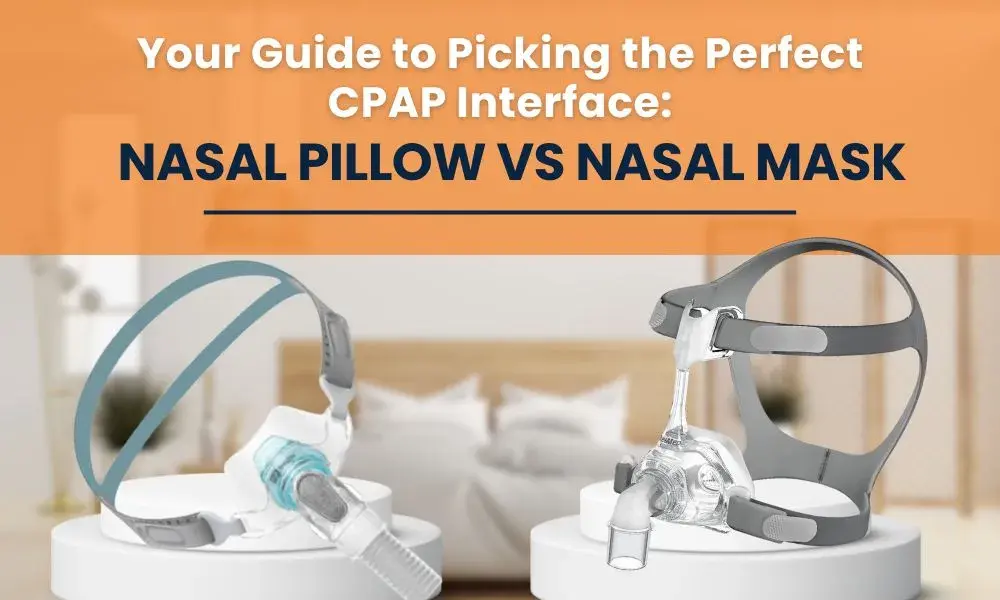
Credit: www.rockinghamcpap.com.au
Cost And Durability
Cost and durability matter a lot when choosing between nasal pillows and nasal cushions. Both affect your comfort and wallet over time. Understanding their price and how long they last helps make a smart choice.
Cost Of Nasal Pillows And Nasal Cushions
Nasal pillows usually cost less than nasal cushions. They have a simpler design with fewer parts. This makes them cheaper to produce and buy.
Nasal cushions tend to be pricier. Their larger size and complex shape add to the cost. You may spend more upfront for a nasal cushion mask.
Durability Of Nasal Pillows
Nasal pillows are small and light. They wear out faster than cushions. The soft silicone tips can tear or lose shape.
Users often replace nasal pillows every one to two months. Proper cleaning helps them last longer. Still, expect more frequent replacements.
Durability Of Nasal Cushions
Nasal cushions are thicker and sturdier. They resist wear better than pillows. The larger surface area spreads pressure evenly.
You can use nasal cushions for two to three months. Good care and gentle cleaning improve their lifespan. They offer better long-term value.
User Feedback And Preferences
User feedback plays a key role in choosing between nasal pillow and nasal cushion masks. Different users share their experiences and preferences. These insights help others decide which mask suits their needs best.
Many users focus on comfort and fit. Some find nasal pillows less bulky and easier to wear. Others prefer nasal cushions for their soft, gentle seal around the nose.
User Comfort And Fit
Users often mention comfort as the top priority. Nasal pillows sit just inside the nostrils. This design feels light and less intrusive for many. Some users say pillows cause less skin irritation.
Nasal cushions cover the nose’s base and create a soft seal. Users with sensitive skin appreciate the cushion’s gentle feel. Some find cushions more stable during sleep.
Ease Of Use And Maintenance
Many users highlight ease of cleaning and fitting. Nasal pillows have fewer parts and are simpler to clean. Users say this saves time and effort.
Nasal cushions need careful fitting for a good seal. Some users find cushions harder to adjust. Cleaning cushions requires more attention to avoid damage.
Noise Levels And Sleep Quality
Noise matters for peaceful sleep. Users report nasal pillows often produce less noise. The smaller design reduces air leaks.
Nasal cushions can sometimes cause more noise due to air escaping. Some users feel cushions offer better airflow, improving sleep quality.
Preference Based On Sleeping Position
Sleeping position affects mask choice. Side sleepers prefer nasal pillows for their low profile. Pillows do not press much against the face.
Back sleepers often choose nasal cushions. The seal stays firm despite movement. Some users feel cushions reduce air leaks better.
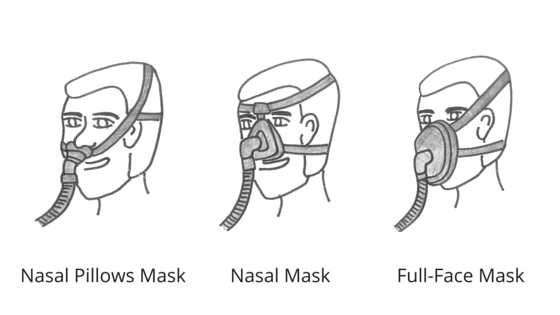
Credit: www.sleepdr.com
Frequently Asked Questions
What Is The Difference Between Nasal Pillow And Nasal Cushion?
Nasal pillows rest at the nostrils, offering minimal contact and better airflow. Nasal cushions cover the nose’s base, providing a softer, more secure seal for users needing extra comfort.
Which Is Better For Cpap Therapy: Nasal Pillow Or Cushion?
Nasal pillows suit active sleepers and those who dislike bulky masks. Cushions are ideal for users needing more cushioning or with facial hair. The choice depends on comfort, fit, and breathing style.
Are Nasal Pillows More Comfortable Than Nasal Cushions?
Nasal pillows feel lighter and less intrusive, enhancing comfort for many users. Cushions can feel softer but bulkier. Comfort varies, so trying both types helps find the best fit.
Can Nasal Cushions Cause Skin Irritation More Than Pillows?
Nasal cushions cover more skin, increasing the risk of irritation or redness. Nasal pillows touch less skin, reducing irritation chances. Proper cleaning and mask fit reduce skin problems.
Conclusion
Choosing between nasal pillow and nasal cushion depends on your comfort. Nasal pillows fit inside the nostrils and feel light. Nasal cushions cover the nose and offer more cushion. Both help with breathing during sleep. Think about your sleeping style and skin sensitivity.
Trying each type can help you find the best fit. Good sleep matters, so pick what feels right for you. Small changes make a big difference in comfort. Keep your needs in mind for better rest every night.