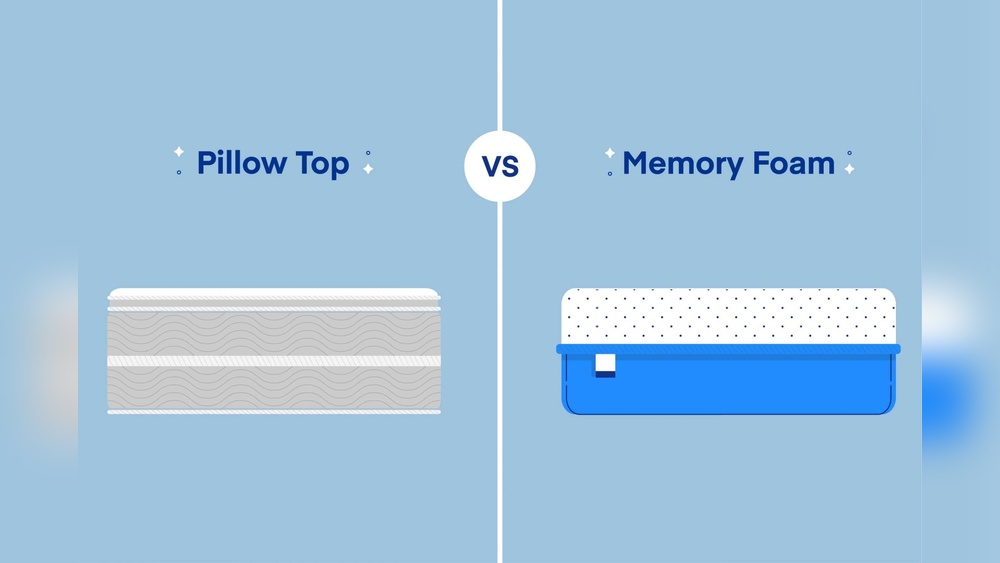
Choosing the right mattress can be confusing, especially when you hear terms like Pillow Top and Memory Foam. You want a bed that feels just right, supports your body, and helps you sleep better every night.
But how do you know which one suits your needs? This guide will clear up the mystery, helping you understand the key differences between Pillow Top and Memory Foam mattresses. By the end, you’ll feel confident about picking the perfect mattress for your comfort and sleep quality.
Keep reading—you deserve a great night’s rest!
Credit: www.mattressnwa.com
Pillow Top Mattresses
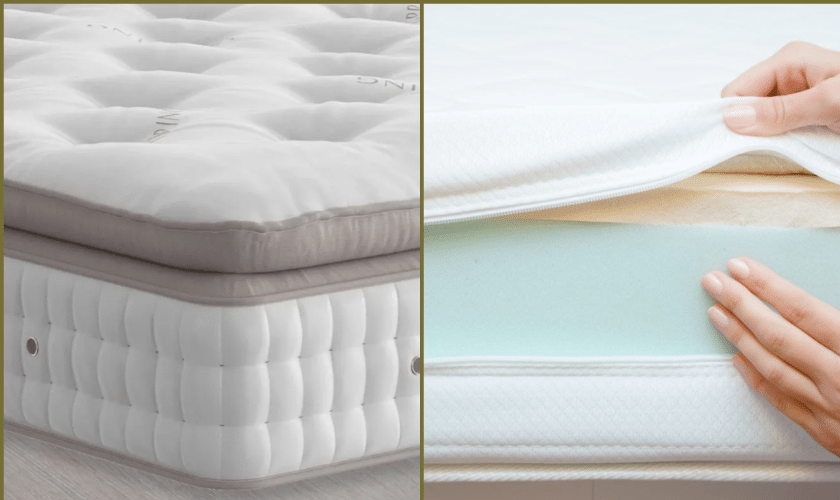
Pillow top mattresses offer a soft and plush sleeping surface. They have a distinct extra layer sewn on top. This layer adds cushioning and makes the bed feel more luxurious.
Many people choose pillow tops for extra comfort. They provide a gentle hug to the body. This can help reduce pressure points and improve sleep quality.
Material Composition
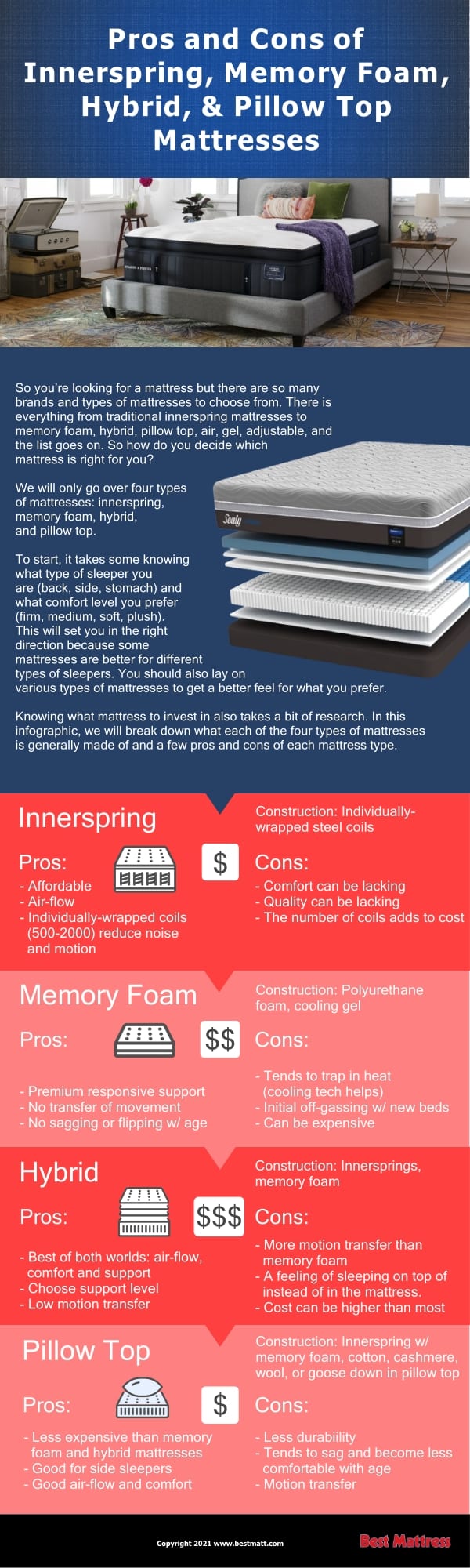
The pillow top layer usually contains foam, fiberfill, or down alternative. It sits above the mattress coils or memory foam base. The core mattress can be innerspring or hybrid. This mix gives support plus softness in one bed.
Comfort Features
Pillow tops add a plush feel that cushions the body well. They help reduce pressure on hips and shoulders. The extra padding can keep you cozy all night. Air flows through layers to avoid heat buildup. This makes pillow tops good for many sleepers.
Pros And Cons
Pros include soft comfort and better pressure relief. Pillow tops often fit many bed frames easily. They can improve sleep for side sleepers especially.
Cons include less durability than some foam mattresses. The pillow layer may flatten over time. Cleaning can be harder due to the extra padding. Some people find them too soft or warm.

Credit: zomasleep.com
Memory Foam Mattresses
Memory foam mattresses are popular for their unique feel and support. They adapt to your body shape and reduce pressure points. Many people choose them for a restful and comfortable sleep.
These mattresses are different from traditional pillow tops. They focus on contouring and motion isolation. This can help improve sleep quality for many users.
Material Composition
Memory foam is made from polyurethane with added chemicals. These chemicals increase its density and viscosity. The foam reacts to heat and pressure. It softens and molds to the body shape. This helps create a personalized sleeping surface.
Comfort Features
Memory foam offers excellent body contouring. It supports the spine and relieves pressure points. This can reduce pain in shoulders and hips. The foam also absorbs movement. This stops partner disturbance during sleep. Breathable options exist to reduce heat buildup. Some layers include gel or open cells for cooling.
Pros And Cons
Pros: Memory foam provides good support and comfort. It helps with body pain and pressure relief. Motion isolation is strong, ideal for shared beds. Durable and resistant to dust mites.
Cons: Some memory foam mattresses trap heat. They may feel warm for hot sleepers. Initial odor or off-gassing can occur. Foam may feel heavy and less bouncy. Higher cost than some other mattress types.
Support And Pressure Relief
Support and pressure relief are key factors for a good night’s sleep. They help reduce body pain and improve comfort. Different mattress types provide support and relief in unique ways. Understanding these can help you choose the best mattress for your needs.
How Pillow Tops Support The Body
Pillow tops add an extra layer of soft cushioning on top of the mattress. This layer helps distribute body weight more evenly. It supports areas like shoulders and hips, which often carry more pressure. The softness relieves tension but may not contour closely to the body. Pillow tops offer a gentle, plush feel that many find cozy. They work well for people who prefer a soft surface with light support.
Memory Foam Pressure Distribution
Memory foam molds to your body shape as you lie down. It spreads your weight evenly across the mattress surface. This reduces pressure points on joints and muscles. Memory foam supports the spine by keeping it aligned. It adapts to movements, providing consistent comfort all night. This material is ideal for those with aches or stiffness. Memory foam’s close contouring offers deep pressure relief and support.
Temperature Regulation
Temperature regulation plays a big role in mattress comfort. It affects how warm or cool you feel at night. A mattress that manages temperature well helps you sleep better. Both pillow tops and memory foam handle heat differently. Understanding these differences can guide your mattress choice.
Cooling Properties Of Pillow Tops
Pillow tops often use breathable materials. These layers allow air to move freely. This airflow helps reduce heat buildup. Natural fibers like cotton or wool add extra cooling. Pillow tops usually feel cooler on warm nights. They help keep your body temperature balanced. This makes pillow tops a good choice for hot sleepers.
Heat Retention In Memory Foam
Memory foam tends to trap body heat. Its dense structure holds warmth close to the skin. This can cause discomfort for some sleepers. Newer memory foam types use gel or open cells. These designs try to improve airflow and reduce heat. Still, memory foam usually feels warmer than pillow tops. It suits people who prefer a cozy, warm mattress.
Durability And Maintenance
Durability and maintenance are key factors when choosing between pillow top and memory foam mattresses. These aspects affect how long your mattress lasts and how easy it is to keep it clean and comfortable. Understanding the lifespan and care needs of each mattress type helps you make a better choice.
Lifespan Of Pillow Top Mattresses
Pillow top mattresses usually last between 5 to 8 years. The soft, cushioned layer on top can wear out faster than the mattress core. Over time, the pillow top may lose its shape and support. Frequent use and body pressure cause the top layer to flatten. Good quality pillow tops last longer but still need regular care.
Lifespan Of Memory Foam Mattresses
Memory foam mattresses often last 8 to 10 years or more. The foam keeps its shape and support well over time. High-density memory foam is more durable and resists sagging. Lower quality foam may break down sooner. Proper use and care help memory foam stay comfortable for many years.
Care Tips For Each Type
Rotate pillow top mattresses every 3 to 6 months. This prevents uneven wear and sagging. Use a mattress protector to avoid stains and dirt. Clean spills immediately with mild soap and water. Avoid jumping or heavy pressure on the pillow top.
For memory foam, avoid direct sunlight and heat. These can damage the foam’s structure. Use a breathable mattress cover to protect against dust and moisture. Spot clean with gentle cleaners and air out the mattress regularly. Avoid folding or bending memory foam to prevent damage.
Cost Comparison
Cost plays a key role in choosing a mattress. Knowing the price differences helps make a smart choice. Pillow top and memory foam mattresses vary in price. This section breaks down their price ranges for a clear view.
Price Range Of Pillow Top Mattresses
Pillow top mattresses generally start at a moderate price. Basic models can cost around $300 to $600. Mid-range pillow tops usually fall between $600 and $1,200. Premium pillow top mattresses can reach $1,500 or more. Prices depend on brand, materials, and mattress size.
Price Range Of Memory Foam Mattresses
Memory foam mattresses often start slightly higher than pillow tops. Entry-level models cost about $400 to $800. Mid-range memory foam mattresses range from $800 to $1,500. High-end models may exceed $2,000. Prices vary by foam quality, thickness, and brand reputation.
Which Mattress Suits You Best
Choosing the right mattress can change how well you sleep. Pillow top and memory foam mattresses feel very different. Each suits certain needs better. Understanding which mattress fits you helps improve comfort and rest.
Consider your sleep habits, body type, health, and budget. These factors guide you to the best choice. Let’s explore what suits you best.
Sleep Preferences And Body Types
Pillow top mattresses offer a soft, cushioned surface. They suit people who like a plush feel. Side sleepers often find pillow tops comfortable. These mattresses add extra padding for hips and shoulders.
Memory foam mattresses contour to the body. They provide firm support and reduce pressure points. Back and stomach sleepers may prefer memory foam. It adapts to body shape and keeps the spine aligned.
Heavier people might need firmer support. Memory foam with higher density can offer this. Pillow tops may compress too much under weight.
Health Considerations
Memory foam is good for people with joint pain. It relieves pressure and reduces tossing at night. It can also help with allergies because it resists dust mites.
Pillow tops feel softer but may not provide enough support. They might worsen back pain if too soft. People with allergies should check the materials used in pillow tops.
Budget And Lifestyle Factors
Pillow top mattresses are often less expensive upfront. They offer a cozy feel at a moderate price. But they may wear out faster, needing replacement sooner.
Memory foam mattresses usually cost more. They last longer and keep their shape better. They suit those who want durable comfort and can invest more initially.
Consider your lifestyle too. Memory foam can trap heat, which may bother some sleepers. Pillow tops often feel cooler but may need more care.
Credit: www.bestmatt.com
Frequently Asked Questions
What Is The Main Difference Between Pillow Top And Memory Foam?
Pillow top mattresses have a soft, cushioned layer sewn on top. Memory foam molds to your body shape, offering support and pressure relief. Pillow tops feel plush, while memory foam provides contouring comfort and motion isolation.
Which Mattress Type Is Better For Back Pain Relief?
Memory foam is generally better for back pain as it supports spinal alignment. Pillow tops offer softness but may lack firm support. Choosing depends on your pain level and personal comfort preferences.
How Does Durability Compare Between Pillow Top And Memory Foam?
Memory foam tends to be more durable and maintains shape longer. Pillow tops may flatten or sag over time due to cushioning materials. Proper care can extend both types’ lifespan.
Are Pillow Top Or Memory Foam Mattresses Better For Hot Sleepers?
Pillow tops often allow more airflow, keeping sleepers cooler. Memory foam can retain heat but newer models include cooling gel layers. Hot sleepers should consider mattress ventilation features.
Conclusion
Choosing between pillow top and memory foam depends on your comfort needs. Pillow tops offer soft, plush support that feels like sleeping on clouds. Memory foam molds to your body, easing pressure points for better rest. Both have unique benefits, so consider your sleeping style and preferences.
Think about durability and budget too. Sleep well by picking the mattress that suits you best. Sweet dreams start with the right choice.