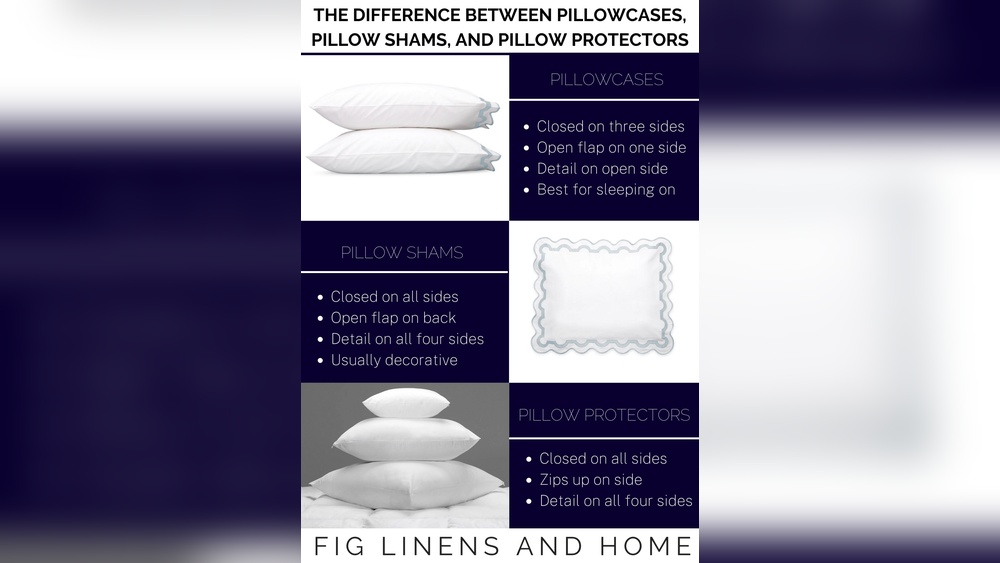
When it comes to your sleep comfort and bedroom style, you might think pillow cases and pillow covers are the same. But are they really?
Knowing the difference can change the way you care for your pillows, improve your sleep, and even protect your investment. If you’ve ever wondered which one you actually need or how each can benefit you, this article will clear up the confusion.
Keep reading, because understanding pillow case vs pillow cover could make a surprising difference in your daily comfort and pillow care.

Credit: www.youtube.com
Pillow Case Basics
Pillow cases are essential for a good night’s sleep and protecting your pillow. They keep your pillow clean and add comfort. Choosing the right pillow case can improve your sleep quality. Understanding the basics helps you pick the best option for your needs.
Different materials, sizes, and designs affect how a pillow case feels and looks. Learning about these factors makes shopping easier. Let’s explore some key points about pillow cases.
Material Types
Pillow cases come in many materials. Cotton is soft, breathable, and easy to wash. It suits most sleepers and climates. Silk feels smooth and gentle on skin. It helps reduce wrinkles and hair damage. Polyester is durable and resists wrinkles. It works well for those needing easy care. Linen offers a textured feel and cool touch. It is strong and lasts long. Each material has benefits for different needs.
Common Sizes
Pillow cases fit various pillow sizes. Standard size is about 20 by 26 inches. It fits most pillows used on beds. Queen size is larger, around 20 by 30 inches. It matches queen-size pillows well. King size measures about 20 by 36 inches. It fits king-size pillows for extra length. Choosing the right size avoids loose or tight fits.
Design And Style
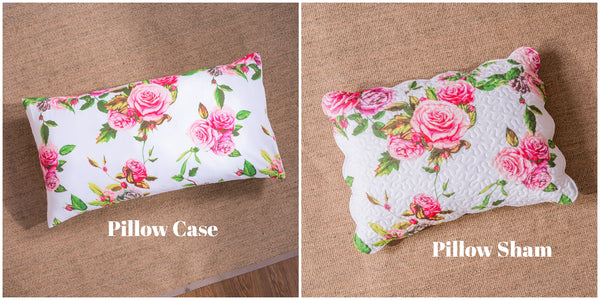
Designs add personality and match bedroom decor. Plain colors create a calm and simple look. Patterns bring fun and energy to the room. Some pillow cases have decorative edges or buttons. These details add charm and style. Choose designs that fit your taste and room style. The right pillow case can brighten your space.
Credit: www.dadabc.com
Pillow Cover Essentials
Pillow covers protect and decorate your pillows. They are easy to remove and wash. Covers help keep pillows clean longer. Choosing the right pillow cover can improve comfort and style.
Knowing the basics of pillow covers helps make better choices. Learn about their purpose, fabrics, and how they fit your pillows.
Purpose And Function
Pillow covers shield pillows from dirt and stains. They keep pillows fresh and extend their life. Covers also add color and texture to your room. Some covers protect against allergens and dust mites. They make cleaning easier since you wash the cover, not the whole pillow.
Fabric Options
Pillow covers come in many fabrics. Cotton is soft, breathable, and easy to clean. Linen feels cool and has a natural texture. Polyester covers are durable and resist wrinkles. Velvet covers add a plush look but need careful washing. Choose fabric based on comfort and care needs.
Fit And Closure Types
Pillow covers must fit snugly to look neat. A loose cover looks messy and feels uncomfortable. Common closures include zippers, buttons, and envelope flaps. Zippers keep the pillow secure inside. Buttons add a decorative touch but may come loose. Envelope flaps are simple and easy to use. Pick a closure that fits your style and needs.
Key Differences
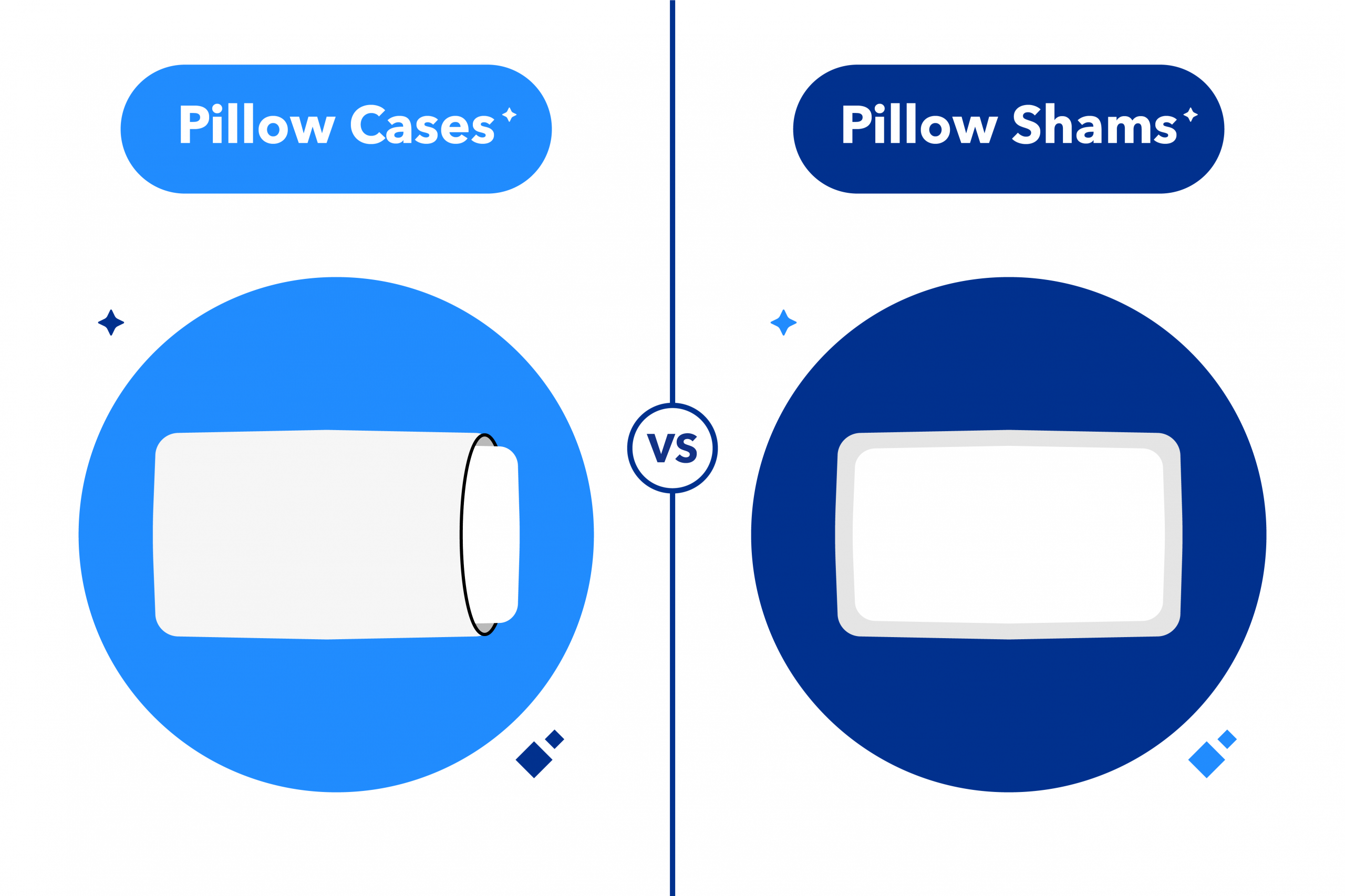
Understanding the key differences between a pillow case and a pillow cover helps you choose the right option. Both protect your pillow but serve different purposes. Knowing their features lets you pick what fits your needs best.
Usage Scenarios
A pillow case is the fabric that directly covers your pillow. It is used daily for sleeping and offers comfort against your skin. A pillow cover often acts as an extra layer over the pillow case. It protects the pillow from dirt, stains, and wear. Pillow covers are common in decorative pillows or in homes with pets and kids.
Durability And Maintenance
Pillow cases need frequent washing to keep them clean and fresh. They are made from soft, breathable materials like cotton or silk. Pillow covers are usually made from stronger fabrics to protect the pillow underneath. They require less frequent washing but must be durable to handle more wear. Both can be machine washed, but pillow cases often need gentler care.
Aesthetic Impact
Pillow cases are simple and mostly plain to match bedding sets. Pillow covers come in many colors, patterns, and textures. They add style and personality to your room. Changing pillow covers is an easy way to refresh your space without buying new pillows.
Choosing For Comfort
Choosing the right pillow accessory affects your sleep quality and skin health. Comfort is key for a good night’s rest. Both pillow cases and pillow covers offer protection and style, but their comfort levels differ. Understanding these differences helps you pick the best option for your needs.
Focus on materials that feel soft and gentle. Consider how they affect your skin and breathing during sleep. Comfort depends on more than looks.
Skin Sensitivity Factors
Skin sensitivity varies from person to person. Some materials cause irritation or redness. Pillow cases made of natural fibers like cotton are gentle on skin. Avoid rough or synthetic fabrics if your skin is delicate. Clean pillow accessories reduce allergens and bacteria that trigger reactions.
Breathability And Softness
Breathable fabrics keep you cool and dry at night. Cotton and linen pillow cases allow air to flow freely. Softness matters for a cozy feel. Smooth textures prevent friction and skin damage. Pillow covers may add layers but should not reduce breathability.
Hypoallergenic Materials
Hypoallergenic materials reduce allergy risks. Look for pillow cases labeled as hypoallergenic or made from bamboo or microfiber. These fabrics resist dust mites and allergens. Pillow covers with hypoallergenic properties protect your pillow and skin. They help maintain a cleaner, healthier sleep environment.
Care And Cleaning Tips
Proper care keeps pillow cases and pillow covers fresh and clean. Clean bedding helps you sleep better and lasts longer. Follow easy steps to wash and maintain them well.
Washing Guidelines
Use cold or warm water for washing pillow cases and covers. Choose a gentle cycle to protect the fabric. Use mild detergent to avoid damage. Avoid bleach as it can weaken fibers. Dry on low heat or air dry to prevent shrinking.
Stain Removal
Treat stains as soon as possible for best results. Dab stains gently with cold water and mild soap. Avoid rubbing hard to stop fabric wear. Use a stain remover safe for the fabric type. Test stain remover on a small area first.
Longevity Tips
Wash pillow cases and covers regularly to keep them fresh. Store them in a cool, dry place when not in use. Avoid direct sunlight to prevent fading. Rotate pillow cases and covers to reduce wear. Fix small tears quickly to stop them from growing.
Credit: amerisleep.com
Style And Decor Matching
Style and decor matching plays a big role in choosing pillow cases and pillow covers. These accessories can change the whole look of a room. They help create a cozy and inviting space. Choosing the right colors, patterns, and textures makes the room look balanced and beautiful. Small details like pillow cases or covers can bring harmony to your decor. They offer a simple way to refresh your room without much effort.
Color Coordination
Color coordination is key for matching pillow cases or covers with your decor. Choose colors that blend well with your walls and furniture. Neutral colors like beige or gray fit most rooms. Bright colors add energy and focus to a space. Matching pillow colors with curtains or rugs creates a smooth look. Contrast colors can make pillows stand out as decorative highlights.
Patterns And Textures
Patterns and textures add depth to your room’s style. Pillow covers often come in many patterns like stripes, florals, or geometric shapes. Mixing patterns can create a fun and lively look. Textured fabrics like velvet or knit add warmth and comfort. Pillow cases usually have a smoother, plainer feel. Combining different textures makes the space feel rich and inviting.
Seasonal Changes
Seasonal changes affect your pillow choices. Light, airy fabrics work well in spring and summer. Bright and pastel colors bring freshness to warm months. In fall and winter, heavier fabrics like wool or flannel feel cozy. Darker and warmer colors create a snug atmosphere. Switching pillow covers is an easy way to match the season’s mood. This keeps your room feeling fresh all year round.
Budget Considerations
Budget plays a key role in choosing between pillow cases and pillow covers. Understanding costs helps you make smart buying decisions. Knowing price differences lets you find options that fit your wallet. Focus on how price aligns with quality and use.
Price Range Comparison
Pillow cases usually cost less than pillow covers. Basic cotton cases are affordable and easy to replace. Pillow covers often have zippers or buttons, raising their price. Covers made from special fabrics can be pricier. Expect to pay more for covers with extra features.
Value For Money
Cheap pillow cases work well for everyday use. They protect pillows from dirt and sweat. Pillow covers offer better protection and style. Covers can extend pillow life by keeping them clean. Choosing a cover can save money over time by reducing pillow wear.
Investment Pieces
High-quality pillow cases can feel soft and last long. Luxury pillow covers offer durability and elegance. Investing in durable covers means less frequent replacements. Look for covers with strong stitching and good materials. Such pieces add comfort and beauty to your bed.
Frequently Asked Questions
What Is The Difference Between A Pillow Case And Cover?
A pillowcase is a fabric sleeve that directly covers the pillow. A pillow cover adds extra protection and style, often zippered or buttoned. Pillowcases are for cleanliness, while covers enhance durability and decor.
Can I Use A Pillow Cover Without A Pillowcase?
Yes, but pillow covers are usually designed to protect the pillowcase. Using only a cover might reduce comfort and cleanliness. Pillowcases are easier to wash and replace regularly.
How Do Pillow Cases And Covers Affect Pillow Lifespan?
Pillowcases protect pillows from dirt and oils, extending lifespan. Pillow covers provide an additional barrier against wear and stains. Using both can significantly prolong your pillow’s durability.
Are Pillow Covers Necessary For Allergy Sufferers?
Yes, pillow covers can be essential for allergy sufferers. They help block dust mites, allergens, and bacteria from reaching the pillow. Choose hypoallergenic covers for better protection.
Conclusion
Choosing between a pillow case and a pillow cover depends on your needs. Pillow cases protect your pillow and add comfort. Pillow covers offer extra protection and style options. Both help keep your pillow clean and fresh. You can use them together for better care.
Think about how often you wash and what look you want. Small changes make a big difference in your sleep space. Keep your pillows cozy and clean with the right choice. Simple steps lead to better rest and comfort every night.