Calcium buildup in tea kettles can be a real nuisance. It affects the taste of your tea and shortens the life of your kettle.
So, how can you get rid of it? Calcium buildup, also known as limescale, forms when water with high mineral content is heated. Over time, these minerals deposit inside your kettle. This buildup can be stubborn and hard to clean.
But don’t worry, there are simple methods to tackle it. In this guide, we’ll explore effective, easy-to-follow steps to remove calcium buildup from your tea kettle. With a bit of effort, you can keep your kettle clean and your tea tasting great. Ready to learn how? Let’s dive in!

Credit: garlicdelight.com
Causes Of Calcium Buildup
Calcium buildup in tea kettles can be a common issue for many. This buildup, known as limescale, affects the kettle’s performance. Understanding the causes of this buildup can help in preventing it.
Hard Water Effects
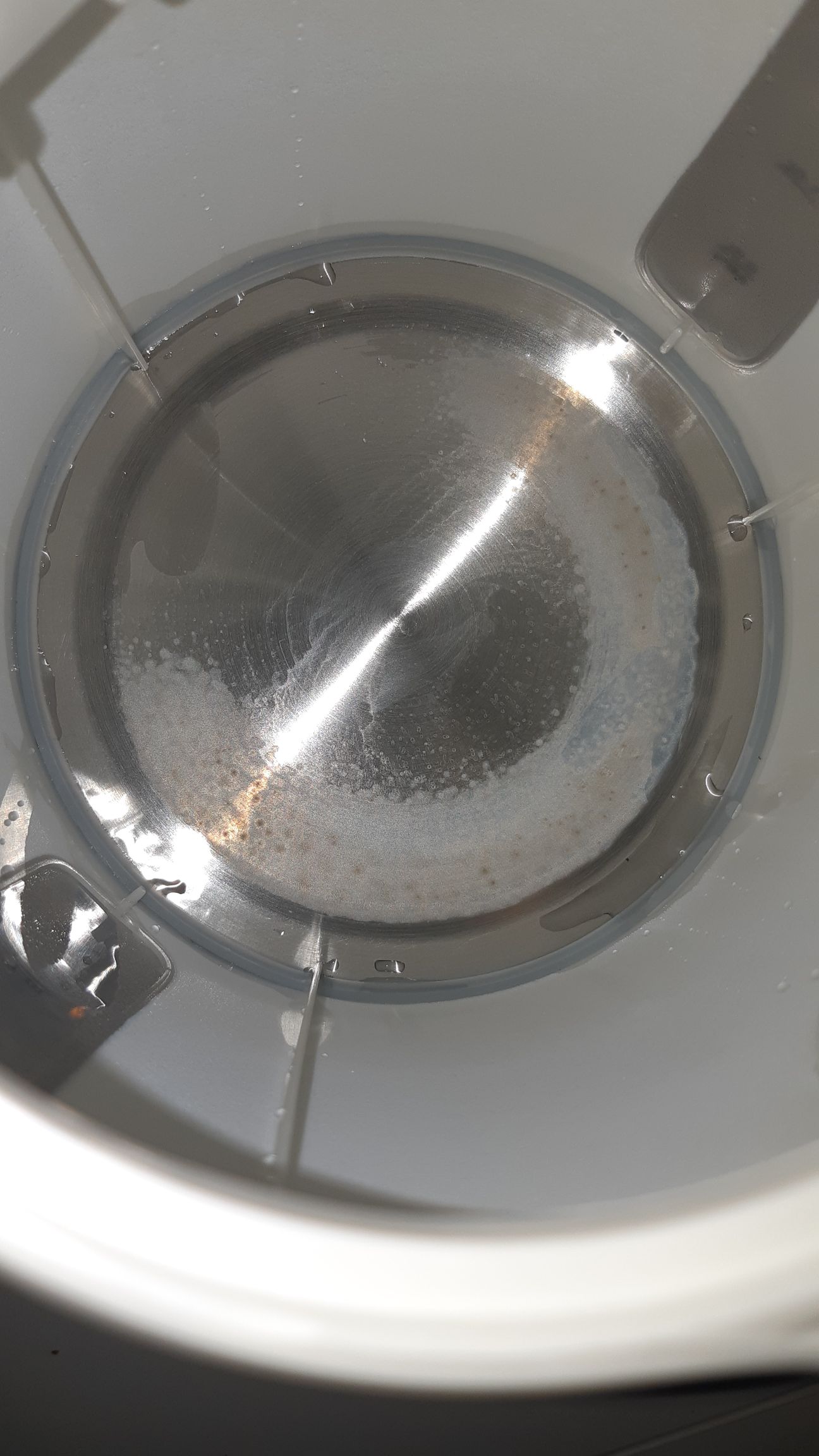
Hard water is one of the main causes of calcium buildup. It contains high levels of minerals, especially calcium and magnesium. These minerals settle on the kettle’s surface when water is boiled. Over time, these deposits form a white, chalky layer.
Mineral Deposits
Mineral deposits occur naturally in water. When water is heated, these minerals separate and attach to the kettle’s interior. This process is more intense with frequent use of the kettle. The more you use your kettle, the more mineral deposits build up.
:max_bytes(150000):strip_icc()/how-to-clean-tea-kettle-2000-9ca0c575ebae45ad8e67fb42e9d2972f.jpg)
Credit: www.realsimple.com
Signs Of Calcium Buildup
Noticing calcium buildup in your tea kettle can be frustrating. It affects the taste of your tea and the efficiency of your kettle. Understanding the signs of calcium buildup is crucial for maintaining a clean and efficient kettle.
White Residue
One of the first signs of calcium buildup is white residue. This chalky substance appears on the inside of your kettle. It can also form around the spout. The residue is often more noticeable after boiling water. The white residue is easy to spot and can be a sign that your kettle needs cleaning.
Reduced Efficiency
Calcium buildup can also reduce the efficiency of your kettle. You may notice that your kettle takes longer to boil water. The heating element may struggle to heat the water through the calcium layer. This can lead to higher energy bills and longer waiting times. Reduced efficiency is a clear sign that it’s time to descale your kettle.
Vinegar Solution
Calcium buildup in your tea kettle can be frustrating. It affects the taste of your tea and can damage your kettle over time. Using a vinegar solution is a simple and effective way to get rid of this buildup. Below, you’ll find detailed preparation steps and cleaning process to make your kettle as good as new.
Preparation Steps
- Gather your materials. You will need white vinegar, water, and a soft cloth.
- Ensure the kettle is empty. Pour out any remaining water.
- Measure equal parts of vinegar and water. For instance, if your kettle holds 2 cups, use 1 cup of vinegar and 1 cup of water.
Cleaning Process
- Pour the vinegar and water mixture into the kettle.
- Turn on the kettle and let the mixture come to a boil.
- Once it boils, turn off the kettle and let it sit for 30 minutes.
- After 30 minutes, pour out the mixture.
- Use a soft cloth to wipe down the inside of the kettle.
- Rinse the kettle thoroughly with fresh water.
- Boil fresh water in the kettle once or twice to remove any vinegar residue.
Using a vinegar solution is an easy and natural way to keep your tea kettle clean. Follow these steps regularly to maintain a kettle free of calcium buildup.
Credit: www.reddit.com
Baking Soda Method
Calcium buildup in your tea kettle can be frustrating. It affects the taste of your tea and reduces your kettle’s efficiency. A simple and effective solution is the Baking Soda Method. Baking soda is a natural, non-toxic cleaner. It removes calcium buildup easily. Let’s explore how to use this method.
Mixing Instructions
First, fill your kettle halfway with water. Add two tablespoons of baking soda. Stir the mixture well to dissolve the baking soda. Ensure the solution covers the affected areas inside the kettle.
Scrubbing Tips
Boil the mixture for 15 minutes. Let it cool down for another 15 minutes. Empty the kettle. Use a soft brush or sponge to scrub the inside. Focus on areas with visible calcium buildup. Rinse the kettle thoroughly with clean water. Repeat the process if necessary.
Lemon Juice Technique
Tea kettles often suffer from calcium buildup, which can affect their performance. One of the most effective methods to deal with this is using the Lemon Juice Technique. This natural method is simple, cost-effective, and eco-friendly. Let’s dive into how lemon juice can help you get rid of calcium buildup in your tea kettle.
Acidic Properties
Lemon juice is highly acidic. This acidity helps break down the calcium deposits in your tea kettle. The natural citric acid in lemons dissolves the buildup without causing harm to your kettle.
Here’s a comparison table to understand the acidic strength of lemon juice:
| Substance | pH Level |
|---|---|
| Lemon Juice | 2-3 |
| Vinegar | 2.5-2.7 |
| Water | 7 |
The lower the pH, the stronger the acidity. Lemon juice, with its pH around 2-3, is perfect for tackling calcium buildup.
Application Process
Follow these steps to use lemon juice for cleaning:
- Fill the kettle halfway with water.
- Add a cup of freshly squeezed lemon juice or about 1/4 cup of bottled lemon juice.
- Boil the mixture and then let it sit for 30 minutes.
- Pour out the mixture and scrub the inside of the kettle with a soft brush.
- Rinse thoroughly with clean water.
Boiling the mixture helps the acid penetrate and dissolve the calcium deposits. Letting it sit enhances this effect. After scrubbing and rinsing, your kettle should be free of buildup.
For stubborn deposits, repeat the process. Regular cleaning with lemon juice can prevent future buildup and keep your kettle in top shape.
Commercial Descalers
Commercial descalers are a quick and effective way to remove calcium buildup in your tea kettle. These products are designed to break down mineral deposits, making the cleaning process much easier. Let’s explore some product options and usage guidelines to help you choose and use the right descaler for your needs.
Product Options
There are many commercial descalers available in the market. Some popular brands include CLR, Lime-A-Way, and Oust. These products are specifically formulated to tackle tough limescale and calcium deposits.
Another option is descaling powders like the ones from Durgol. These powders are easy to use and effective. You can also find liquid descalers, which are convenient and work quickly.
Make sure to choose a product that is safe for use in kettles. Read the labels to ensure the descaler is non-toxic and food-safe.
Usage Guidelines
Using commercial descalers is simple. First, fill your kettle with water. Add the recommended amount of descaler. This information is usually on the product’s label.
Turn on the kettle and bring the water to a boil. Let it sit for the time specified on the product’s instructions. This usually ranges from 5 to 30 minutes.
After the time has passed, pour out the solution. Rinse the kettle thoroughly with clean water to remove any residue. You may need to rinse it several times.
Finally, boil a fresh batch of water and discard it. This step ensures that no descaler remains in your kettle.
Prevention Tips
Calcium buildup in your tea kettle can be a real nuisance. It not only affects the taste of your tea but also shortens the life of your kettle. Prevention is the best way to avoid these issues. Follow these simple tips to keep your tea kettle in top shape and enjoy your tea without any unwanted flavors.
Regular Cleaning
Regular cleaning is essential to prevent calcium buildup in your tea kettle. Follow these steps:
- Empty the kettle after each use.
- Rinse it with clean water.
- Wipe the inside with a soft cloth.
- Deep clean once a week with vinegar.
To deep clean, fill the kettle with equal parts water and vinegar. Boil the mixture and let it sit for an hour. Rinse thoroughly to remove any vinegar taste.
Water Softening
Using hard water leads to calcium buildup. Softening the water helps reduce this problem. Here are some methods:
| Method | Description |
|---|---|
| Bottled Water | Use bottled water instead of tap water. |
| Water Filter | Install a filter on your tap to soften water. |
| Water Softener | Use a water softener system for your home. |
Bottled water can be more expensive, but it is an easy solution. A water filter or softener system is a long-term investment that pays off.
Alternative Remedies
Struggling with calcium buildup in your tea kettle? You don’t need harsh chemicals. Discover these alternative remedies that are both effective and eco-friendly.
Citric Acid
Citrus fruits are not just for eating. You can use them to clean too. Citric acid is a natural cleaner. It breaks down calcium deposits easily.
- Fill your kettle with water halfway.
- Add 2 tablespoons of citric acid powder.
- Boil the water. Let it sit for 15 minutes.
- Pour out the solution. Rinse the kettle thoroughly.
Citric acid is safe and leaves your kettle sparkling clean.
Cream Of Tartar
Cream of tartar is another kitchen staple that works wonders. It’s a mild acid that removes calcium buildup.
- Fill the kettle with water halfway.
- Add 1 tablespoon of cream of tartar.
- Boil the water. Let it cool for 15 minutes.
- Discard the solution. Rinse the kettle well.
Using cream of tartar is an easy and effective method.
Frequently Asked Questions
What Causes Calcium Buildup In Tea Kettles?
Calcium buildup in tea kettles is caused by hard water. Hard water contains high levels of minerals like calcium and magnesium. Over time, these minerals accumulate and form deposits.
How Often Should I Clean My Tea Kettle?
You should clean your tea kettle every 1-2 weeks. Regular cleaning helps prevent calcium buildup. Frequency depends on how often you use your kettle and the hardness of your water.
What Is The Best Way To Remove Calcium Buildup?
The best way to remove calcium buildup is by using vinegar or lemon juice. Fill the kettle with a mixture of water and vinegar or lemon juice. Boil it, let it sit, then rinse thoroughly.
Can Calcium Buildup Affect The Taste Of Tea?
Yes, calcium buildup can affect the taste of tea. It can leave a metallic or chalky taste. Regular cleaning ensures your tea tastes fresh and pure.
Conclusion
Removing calcium buildup in your tea kettle is simple and effective. Regular cleaning prevents deposits and ensures better-tasting tea. Use natural solutions like vinegar or lemon juice for best results. Maintain a routine to keep your kettle in top shape.
Clean it monthly to avoid stubborn stains. Always rinse thoroughly after cleaning. A clean kettle means healthier, tastier tea every time. Keep these tips in mind for a hassle-free tea experience. Enjoy your tea with confidence and peace of mind.
Happy tea brewing!