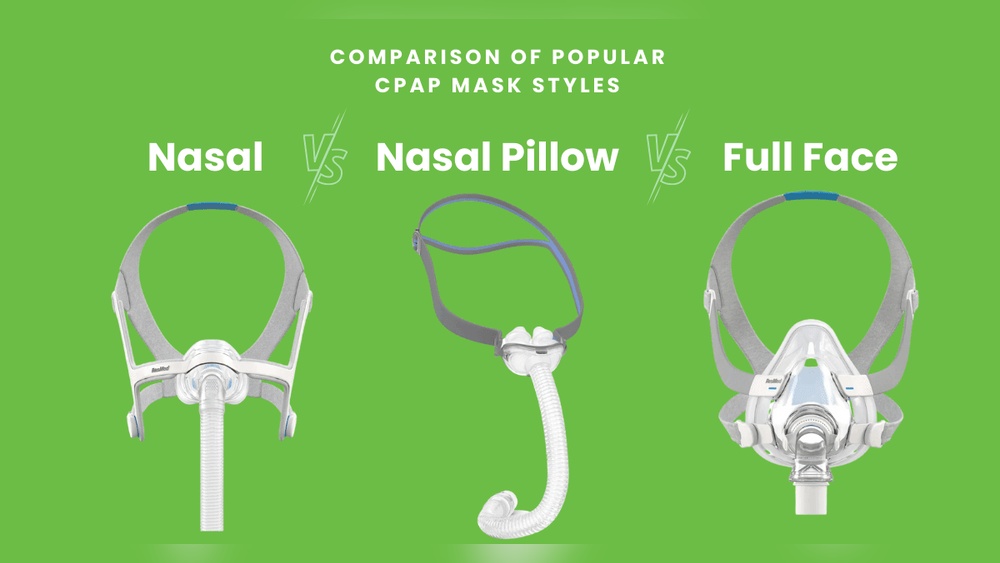
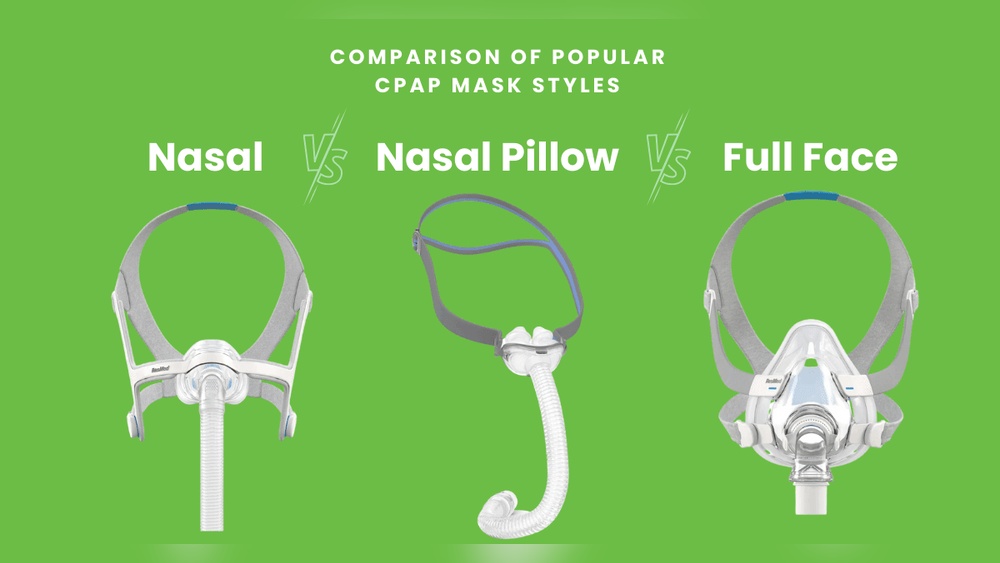
Are you struggling to find the perfect CPAP mask that fits comfortably and keeps your therapy effective? Choosing between a CPAP nasal cushion and a pillow mask can feel confusing, but your comfort and sleep quality depend on this decision.
What if the right mask could help you breathe easier and wake up feeling refreshed? You’ll discover the key differences between nasal cushions and pillow masks, so you can make the best choice for your unique needs—and finally get the restful sleep you deserve.
Keep reading to find out which option suits you best.

Credit: www.thecpapshop.com
Cpap Nasal Cushion Basics
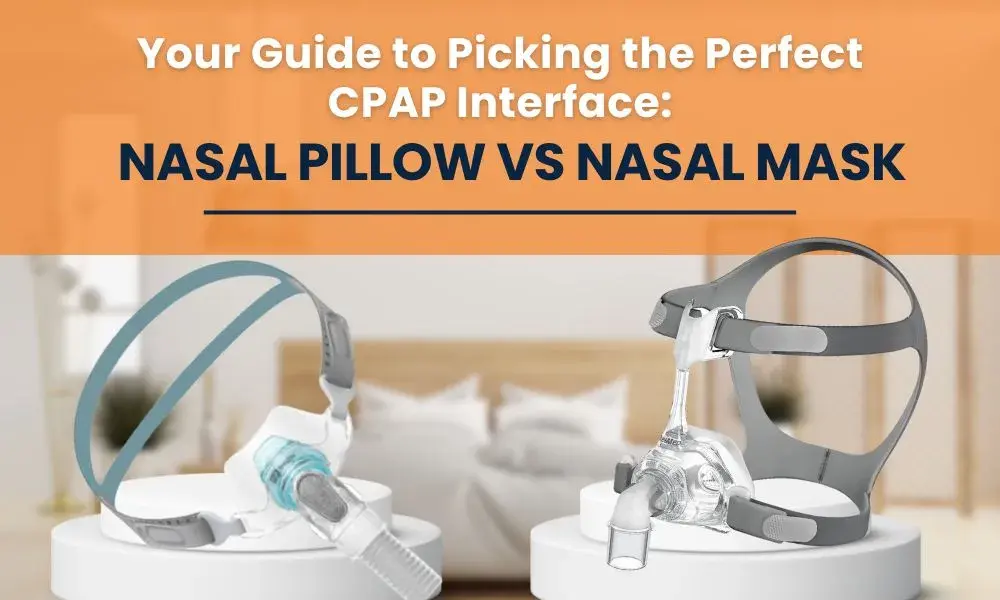
Understanding the basics of CPAP nasal cushions helps users choose the right option. These cushions form the seal between your face and the CPAP machine. A good fit is key to comfort and effective therapy.
Design And Fit
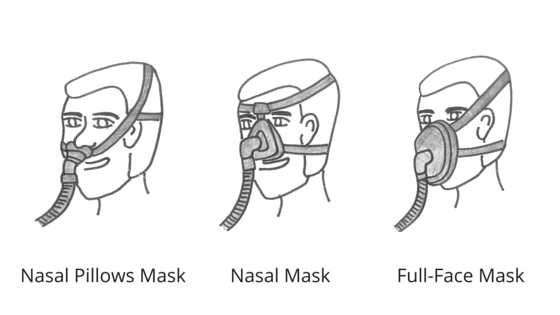
CPAP nasal cushions come in different shapes and sizes. They fit over your nose, covering the nostrils to deliver air. The design aims to prevent air leaks. A proper fit reduces pressure points and skin marks. It also keeps the mask stable during sleep.
Material And Comfort
Most cushions use soft silicone or gel materials. These materials are gentle on the skin. They help reduce irritation and soreness. Some cushions are thinner to feel lighter on the face. Others have extra padding for added comfort. The choice depends on personal preference and skin sensitivity.
Common User Experience
Users often notice a quick setup with nasal cushions. Many find them less bulky than full-face masks. Some report feeling less claustrophobic. A few users may experience redness or soreness at first. Proper cleaning and adjustment usually solve this. Many appreciate the quiet operation and easy maintenance.
Credit: www.sleepdr.com
Cpap Nasal Pillow Essentials
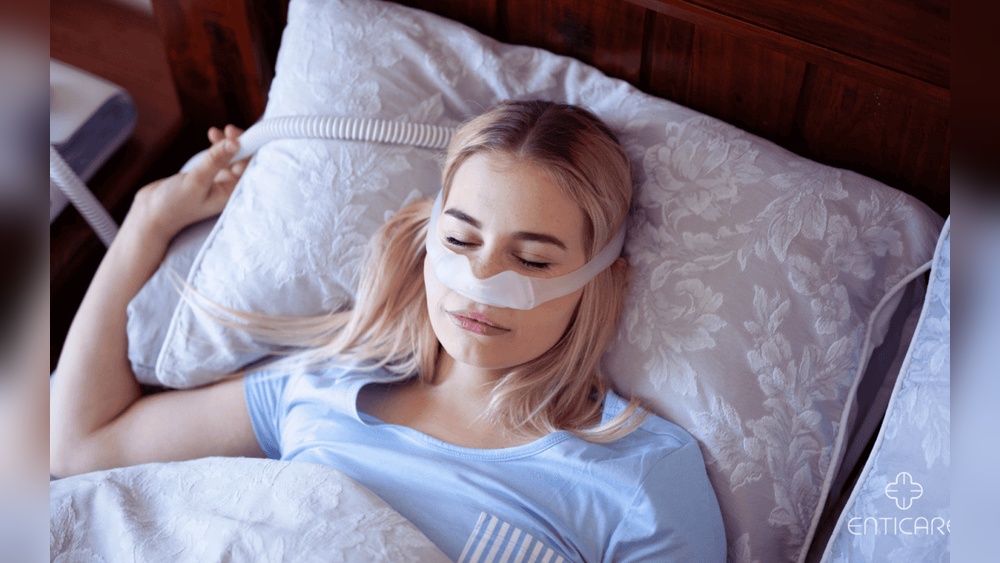
CPAP nasal pillows are a key part of many sleep therapy setups. They fit directly at the nostrils and provide air pressure to keep airways open. Understanding the basics helps users choose the right type for comfort and effectiveness.
Here are the main essentials to know about CPAP nasal pillows.
Structure And Seal
Nasal pillows have a simple design. Two small cushions fit just inside the nostrils. This close fit creates a tight seal to prevent air leaks. A good seal is important for proper therapy. The frame holds the pillows in place. It sits lightly on the nose and face for comfort.
Material And Feel
Most nasal pillows use soft silicone or gel. These materials are gentle on the skin. They avoid irritation during long use. The pillows feel lightweight and flexible. This helps reduce pressure on the nose. Some models offer different sizes for a better fit. Soft materials improve comfort and reduce noise.
User Feedback Highlights
Many users praise nasal pillows for their minimal design. They feel less bulky than full masks. Users report easier breathing and less skin marks. Some find them easier to clean and maintain. However, a few mention discomfort if the size is wrong. Overall, nasal pillows suit people who want simple, lightweight options.
Comfort Comparison
Comfort plays a big role in choosing between CPAP nasal cushions and pillows. Both aim to help users sleep better while wearing a CPAP machine. Comfort affects how long and well you can wear the mask each night. Understanding the differences helps find the best fit for each person.
Pressure Distribution
Nasal cushions spread pressure over the nose’s bridge and sides. This can cause pressure spots if worn too tight. Pillow masks spread pressure around the nose and under the eyes. This often feels softer and reduces pressure points. Pillow styles usually offer a more even weight distribution.
Skin Contact And Irritation
Nasal cushions touch a small area of skin near the nostrils. This can cause redness or soreness after long use. Pillow masks have larger contact areas but softer silicone edges. This lowers the risk of skin irritation. Pillow masks suit sensitive skin better due to gentle contact.
Suitability For Different Sleep Positions
Nasal cushions work well for back and side sleepers. They stay stable but can leak if you move a lot. Pillow masks adapt to side and stomach positions easier. Their design allows more head movement without breaking the seal. Side and stomach sleepers often find pillow masks more comfortable.
Performance And Seal
Performance and seal are key factors for CPAP nasal cushions and pillows. A good seal keeps air inside. This helps the therapy work well. Both types have strengths and weaknesses in this area. Understanding these can help users choose the right option.
Comfort and fit also affect how well the seal holds. Small leaks can reduce therapy effectiveness. They may cause noise or skin irritation. Let’s explore how nasal cushions and pillows perform in these areas.
Air Leak Prevention
Nasal cushions cover the nose’s surface tightly. This design often creates a better seal for many users. Pillows fit directly into the nostrils. This can be less stable but may suit some face shapes better. Both can leak if not fitted properly. Users should check the fit regularly to reduce leaks.
Noise Levels
Leaks cause noise in CPAP therapy. Cushions usually reduce noise by sealing around the nose. Pillows sometimes allow more air to escape. This may create a whistling sound. Choosing the right size and adjusting straps helps lower noise. Quiet therapy improves sleep quality greatly.
Adjustability And Stability
Cushions offer good stability due to their larger surface area. They stay in place during sleep better for many. Pillows are smaller and lighter. They offer more freedom but can shift more easily. Both types need proper adjustment to stay stable all night. Users should try different sizes for the best fit.
Maintenance And Durability
Maintenance and durability are key factors when choosing between a CPAP nasal cushion and a pillow. Both need regular care to keep them working well. How easy they clean and how long they last affect your comfort and health. Understanding these points helps you make a better choice for your sleep therapy.
Cleaning Ease
Nasal cushions are small and simple to clean. Most can be washed with mild soap and water. They dry quickly, which helps prevent bacteria growth. Pillow masks have more parts and soft fabric. Cleaning them takes more time and care. Some parts may need hand washing to stay in good shape.
Replacement Frequency
Nasal cushions usually need replacing every 2 to 4 weeks. The soft silicone can wear out faster from daily use. Pillow masks last longer, often 1 to 3 months. The fabric parts may lose shape or get stained over time. Regular replacement keeps your mask comfortable and effective.
Wear And Tear
Nasal cushions show wear by cracking or losing softness. This can cause leaks or discomfort. Pillow masks may stretch or tear in the fabric areas. The frames might also weaken after months of use. Checking your mask weekly helps spot damage early and avoid problems.
Credit: www.rockinghamcpap.com.au
Choosing The Right Option
Choosing the right CPAP nasal cushion or pillow is key for a good night’s sleep. Your comfort and health depend on this choice. Each option offers unique benefits. Understanding what suits you best helps improve sleep quality and therapy results.
Personal Comfort Factors
Comfort is the top priority. Nasal cushions cover the nose area, offering a soft seal. Nasal pillows fit just inside the nostrils, feeling lighter. Some find cushions less irritating. Others prefer pillows for their minimal contact. Test both types to see what feels better. Check the fit and pressure points. Small adjustments can make a big difference.
Breathing And Medical Needs
Consider your breathing patterns and health needs. Nasal cushions suit those who breathe through their nose. Nasal pillows work well for light mouth breathers. People with sensitive skin might prefer pillows as they reduce skin contact. Talk to your doctor about your breathing style. Certain medical conditions might require specific types. Proper fit ensures effective therapy and comfort.
Lifestyle And Sleep Habits
Sleep position impacts cushion choice. Side sleepers often prefer nasal pillows for less bulk. Back sleepers may find cushions more stable. Active sleepers benefit from secure seals to avoid leaks. Your daily routine matters too. Travel-friendly options are usually smaller and lighter. Choose a style that fits your lifestyle and sleeping habits well.
Frequently Asked Questions
What Is The Main Difference Between Nasal Cushion And Pillow?
A nasal cushion covers the nose bridge, while a pillow fits into the nostrils. Cushions offer broader contact, pillows provide targeted airflow.
Which Cpap Mask Is More Comfortable To Wear All Night?
Comfort depends on personal preference; nasal pillows are lightweight and less intrusive. Nasal cushions offer a secure fit but may feel bulkier.
Are Nasal Pillows Better For Side Sleepers?
Yes, nasal pillows are ideal for side sleepers because they are smaller and less prone to displacement during movement.
How Do Nasal Cushions And Pillows Affect Air Leakage?
Nasal cushions generally seal larger areas reducing leaks. Pillows can cause leaks if not fitted properly due to smaller contact points.
Conclusion
Choosing between a CPAP nasal cushion and pillow depends on your comfort needs. Nasal cushions fit inside your nostrils and offer a secure seal. Pillows rest under your nose and can feel gentler. Both help improve your sleep with CPAP therapy.
Think about your sleeping style and any allergies you have. Trying both types may help find the best fit. Good sleep matters. Pick what feels right for you.