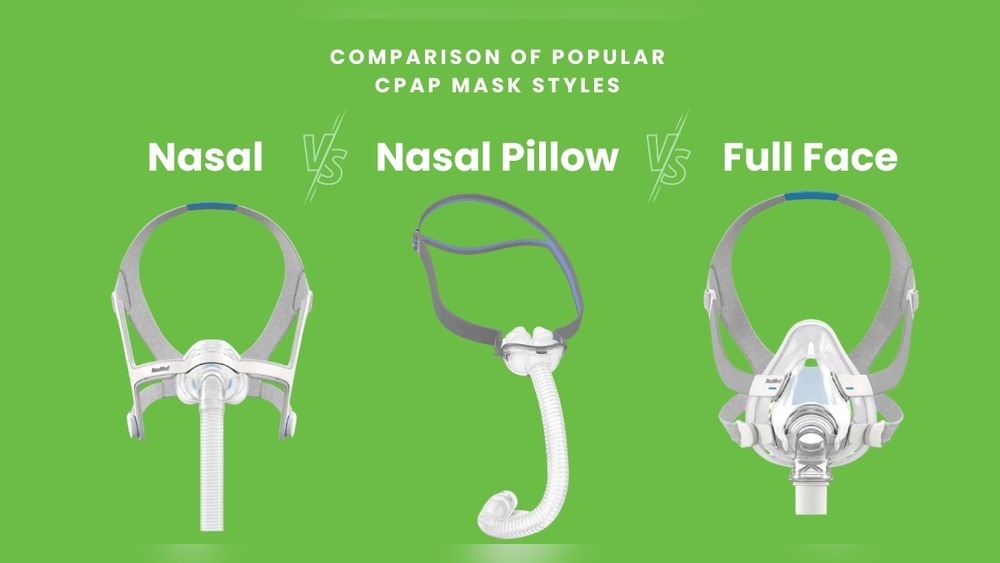
Are you struggling to choose between a nasal cradle and a nasal pillow for your CPAP therapy? Finding the right mask can make all the difference in your comfort and sleep quality.
You want something that fits well, feels good, and helps you breathe easily through the night. But with so many options, it’s easy to feel overwhelmed. This guide will clear up the confusion and help you discover which option suits your needs best.
Keep reading to learn how each one works and which could change the way you sleep forever.
Nasal Cradle Features
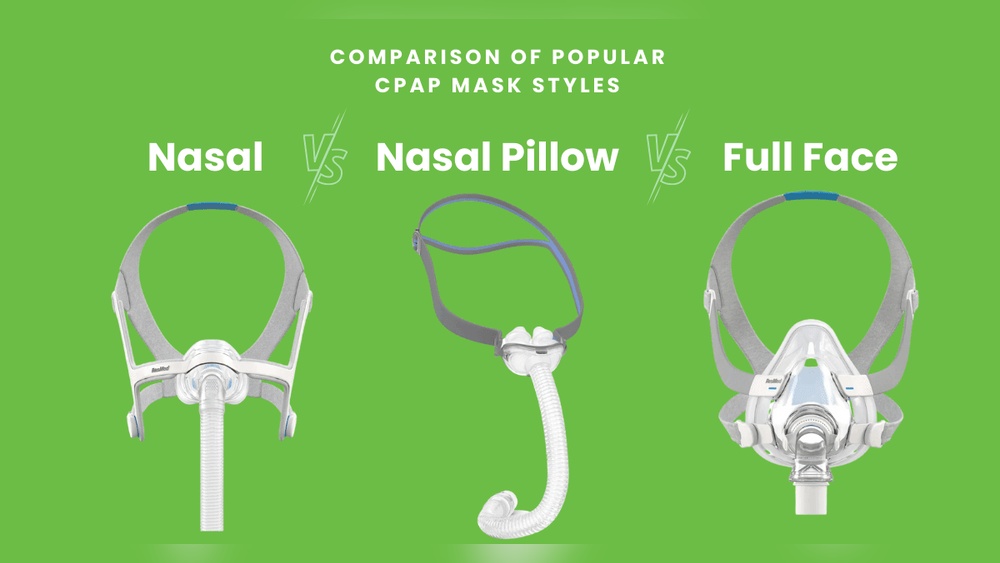
Nasal cradles offer a unique way to deliver air during sleep therapy. They differ from other nasal interfaces by focusing on comfort and stability. Understanding their features helps in choosing the right option for better sleep quality.
Design And Structure
Nasal cradles have a frame that sits under the nose. They hold the nasal pillows in place gently. The design avoids pressure on the nostrils themselves. This helps reduce irritation and skin marks. The structure allows easy movement during sleep.
Material And Fit
Most nasal cradles use soft, flexible materials. Silicone is common for its comfort and durability. The fit is adjustable to suit different face shapes. The materials help create a good seal without tightness. This makes them suitable for sensitive skin.
Common Uses
Nasal cradles are popular for those who dislike bulkier masks. They work well for light to moderate sleep apnea cases. Users who move a lot in sleep prefer them. They suit people with facial hair or glasses. Many find them easier to clean and maintain.
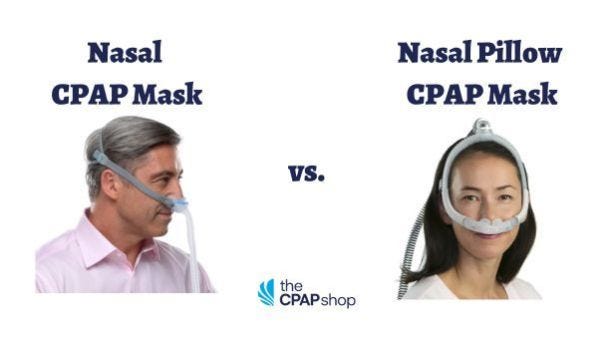
Credit: www.thecpapshop.com
Nasal Pillow Features
Nasal pillows offer a unique way to deliver air directly into the nose. Their design makes them lightweight and less bulky. Many users find them comfortable and easy to wear for long periods.
Understanding their features helps in choosing the right option for better breathing support. Below are key aspects of nasal pillows that explain why they are popular.
Design And Structure
Nasal pillows consist of small cushions that fit at the nostrils’ entrance. They have a minimal frame, reducing the mask’s overall size. This design lowers the feeling of pressure on the face. The structure allows a direct airflow path, improving air delivery.
Material And Fit
Soft silicone or gel usually makes nasal pillows. These materials provide a gentle seal without irritation. The fit is snug but comfortable, preventing air leaks. Many models offer different sizes to match various nose shapes. The lightweight material helps users feel less restricted.
Common Uses
Nasal pillows suit people who prefer minimal contact on their face. They work well for side sleepers and those with sensitive skin. Ideal for users needing lower air pressure settings. Many find them helpful for mild to moderate sleep apnea. Their compact size makes them easy to carry and clean.
Comfort Comparison
Comfort plays a big role in choosing between a nasal cradle and nasal pillow. Both types affect how you feel during use. Small differences can change your experience a lot.
Let’s explore how each feels on pressure points, skin sensitivity, and adjustability. This helps to find the best fit for your needs.
Pressure Points
Nasal cradles rest gently around the nose. They spread pressure over a wider area. This lowers the chance of pain or marks on your skin. Nasal pillows fit directly into the nostrils. They create pressure on a smaller spot. This may cause discomfort for some users after long use.
Skin Sensitivity
People with sensitive skin often prefer nasal cradles. The soft frame reduces irritation and redness. Nasal pillows can cause soreness inside the nose. The direct contact may not suit sensitive skin well. Choosing the right material can help reduce irritation for both types.
Adjustability
Nasal cradles usually have flexible frames. They adjust easily to face shapes and sizes. This helps improve comfort and fit. Nasal pillows come in different sizes but less frame flexibility. Getting the right pillow size is key to avoid leaks and discomfort. Some users find nasal cradles easier to adjust.
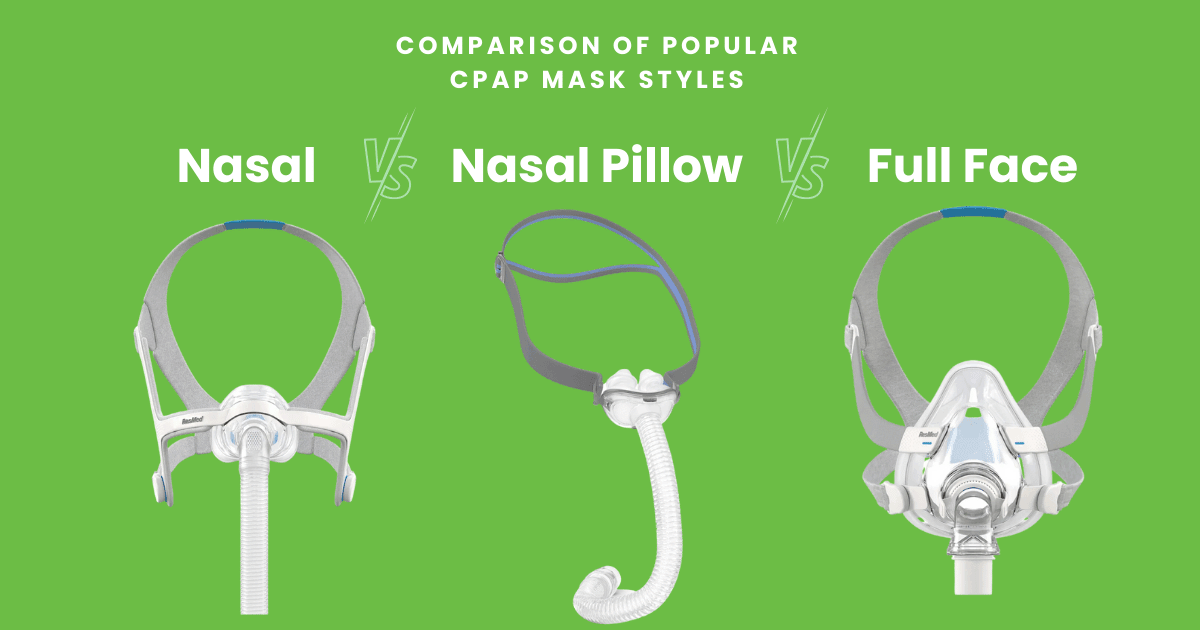
Credit: www.cpap.com
Performance Factors
Performance matters when choosing between nasal cradle and nasal pillow masks. Comfort, airflow, and noise affect your sleep quality. Small differences can impact how well the mask works for you. Here is a look at key performance factors.
Seal And Airflow
A good seal stops air leaks. Nasal pillows fit directly at the nostrils, giving a tight seal. Nasal cradles sit under the nose, creating a softer seal. Both allow steady airflow but differ in how they feel. Nasal pillows often deliver stronger airflow with less effort. Nasal cradles may be gentler but can leak more easily.
Noise Levels
Quiet masks help maintain deep sleep. Nasal pillows usually make less noise due to their snug fit. Nasal cradles might cause slight noise from air escaping around the nose. The mask’s design and material also affect noise. Choosing the right fit reduces sound and improves rest.
Durability
Durability affects how long a mask lasts. Nasal pillows have soft cushions that wear out faster. Nasal cradles often use stronger materials, lasting longer. Regular cleaning extends the life of both types. Replace parts as needed to keep performance high.
User Preferences
User preferences play a big role in choosing between a nasal cradle and a nasal pillow. Each type offers different benefits. Comfort and lifestyle affect the choice. Understanding these factors helps find the best fit for restful sleep.
Lifestyle Considerations
Daily routines impact nasal mask choices. Active people may prefer lightweight options. Nasal pillows are small and less bulky. They suit those who travel often or move a lot. Nasal cradles offer more coverage. They may fit better for quiet home use. Consider how often and where you use the mask.
Sleep Positions
How you sleep affects mask comfort. Side sleepers might find nasal pillows less intrusive. They allow easy movement without pressure on the face. Back sleepers may prefer nasal cradles for stability. Cradles stay in place well on the back. Choose a mask that stays secure in your usual position.
Personal Comfort
Comfort is very personal with masks. Nasal pillows rest inside the nostrils gently. Some find this sensation soothing. Others feel discomfort or irritation. Nasal cradles rest under the nose instead. This avoids nasal pressure but covers more skin. Try both types to see which feels better for you.
Maintenance And Cleaning
Cleaning and maintaining nasal cradles and nasal pillows is key for comfort and hygiene. Both types need regular care to avoid buildup of dirt and oils. Proper upkeep helps keep your device fresh and working well.
Cleaning Frequency
Clean nasal pillows daily. They touch your skin and nose directly. This stops bacteria and oils from building up.
Nasal cradles need cleaning every two to three days. They have less direct contact but still gather dirt and sweat.
Ease Of Maintenance
Nasal pillows are small and simple. Rinse them under warm water with mild soap. Let them air dry completely.
Nasal cradles have more parts. Some pieces may need extra care. Use a soft cloth and gentle soap. Avoid harsh chemicals.
Longevity Tips
Replace nasal pillows every one to two months. They wear out faster because of direct contact with skin.
Change nasal cradles every three to six months. Inspect them for cracks or wear regularly.
Store both in a clean, dry place. Keep them away from sunlight and dust to last longer.
Choosing The Right Option
Choosing the right option between a nasal cradle and nasal pillow is key for comfort and effective breathing. Each style fits differently and suits various needs. Understanding these differences helps you make the best choice for your sleep or therapy.
Assessing Needs
Think about your breathing habits and any nasal issues. Nasal pillows fit directly into the nostrils, offering a secure seal. They work well for active sleepers or those who move a lot during sleep. Nasal cradles rest under the nose and may feel less intrusive. They suit people who dislike inside-the-nose fittings.
Consulting Professionals
Talk to a doctor or sleep specialist for advice. They can suggest which option works best based on your health and sleep patterns. Professionals can also check if any nasal structure affects your choice. Their guidance helps avoid discomfort and improve therapy success.
Trial And Adjustment
Trying both types can show which feels better. Small adjustments often improve fit and comfort. Many devices come with different sizes to test. Patience is important. The right fit reduces leaks and enhances breathing support.

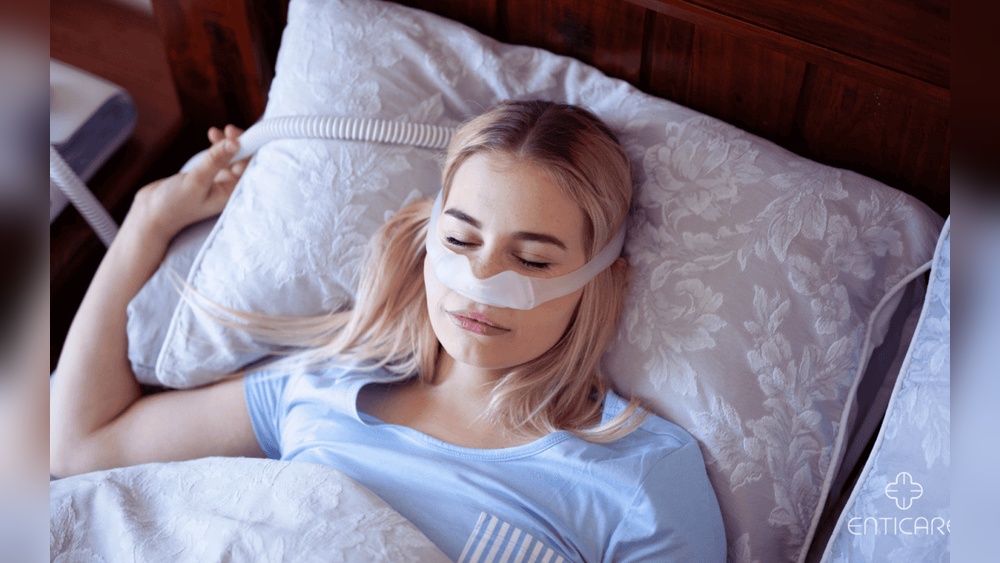
Credit: enticare.com
Frequently Asked Questions
What Is The Difference Between Nasal Cradle And Nasal Pillow?
Nasal cradle supports the nose bridge with soft fabric, while nasal pillows seal at nostrils. Cradles offer comfort; pillows provide a secure seal for CPAP therapy.
Which Is Better For Cpap Therapy: Nasal Cradle Or Nasal Pillow?
Nasal pillows suit active sleepers needing a tight seal. Nasal cradles fit those seeking comfort and less nasal pressure during CPAP use.
Are Nasal Cradles More Comfortable Than Nasal Pillows?
Nasal cradles cushion the nose bridge gently, reducing irritation. Nasal pillows fit directly into nostrils, which some find less comfortable but more effective.
How Do Nasal Pillows And Nasal Cradles Affect Airflow?
Nasal pillows deliver air directly into nostrils, ensuring efficient airflow. Nasal cradles provide broader airflow around the nose with less direct pressure.
Conclusion
Choosing between a nasal cradle and nasal pillow depends on your comfort and needs. Nasal cradles offer gentle support without covering the nostrils. Nasal pillows fit directly into the nostrils for a secure seal. Each type suits different sleeping styles and preferences.
Trying both can help find the best fit. Comfort matters most for a good night’s sleep. Keep your personal comfort and breathing ease in mind. The right choice can improve your sleep quality significantly.