Are you struggling to choose between a plush mattress and a pillow top mattress? Your sleep quality depends a lot on this decision.
Both options promise comfort, but they feel very different beneath you. Knowing which one matches your body and sleeping style can change your nights for the better. Keep reading, and you’ll discover exactly how plush and pillow top mattresses compare—so you can pick the perfect one and wake up feeling refreshed every morning.

Credit: www.citymattress.com
Plush Mattress Features
A plush mattress offers a unique sleeping experience. It combines softness and support for a cozy rest. Many people choose plush mattresses for their gentle feel. Understanding the key features helps in making a smart choice.
Softness And Cushioning
Plush mattresses have a soft surface that feels gentle on the skin. The top layer cushions your body well. This softness helps reduce pressure on joints and muscles. It creates a comfy spot to relax and sleep deeply.
Material Composition
Plush mattresses use several layers of foam or padding. Memory foam or latex often forms the soft top layer. Beneath this, firmer foam or springs provide support. These materials work together to balance comfort and firmness.
Support Levels
Despite the soft feel, plush mattresses still offer good support. They keep your spine aligned while you rest. Support comes from the mattress core, like coils or dense foam. This support prevents sinking too deep and keeps you comfortable all night.
Credit: amerisleep.com
Pillow Top Mattress Features
Pillow top mattresses offer a unique comfort experience. They have special features that set them apart. These features focus on softness and support. The mattress feels plush but also holds you well. Many choose pillow tops for their extra comfort layer. This section explains key pillow top mattress features.
Extra Layer Design
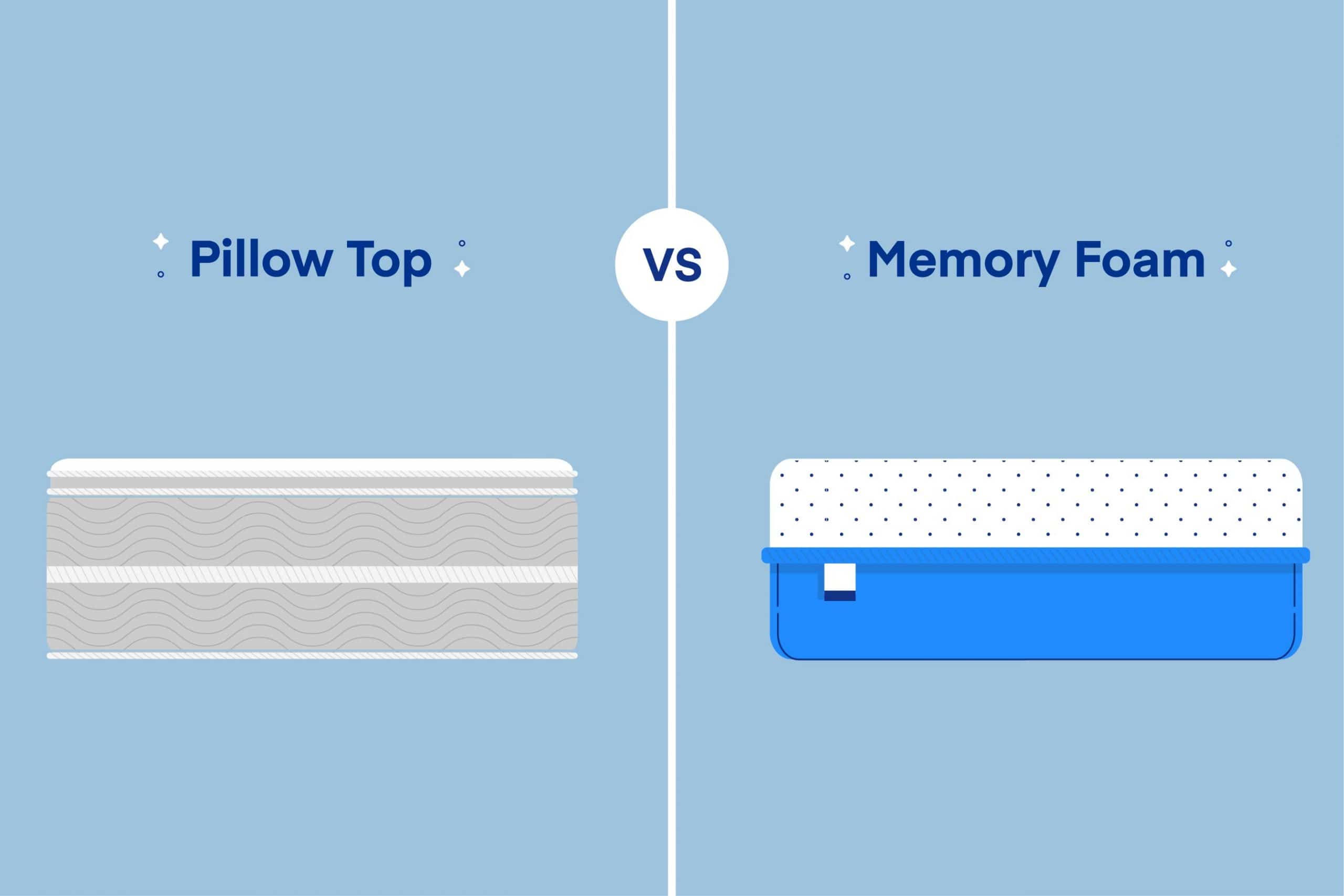
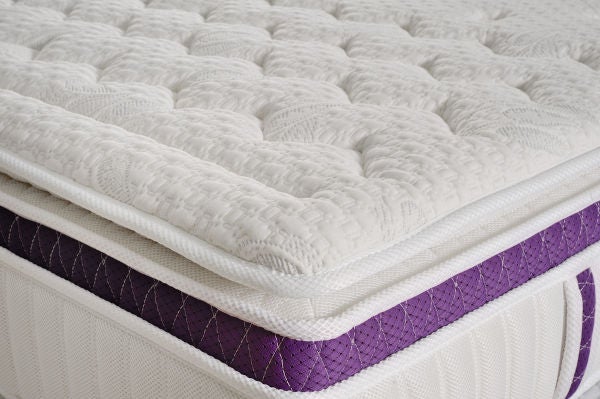
Pillow top mattresses have an added layer sewn on top. This layer is thicker than regular mattress covers. It adds softness and a cushioned feel. The extra layer often looks like a pillow stitched to the mattress. This design gives a plush surface without losing support underneath. It also helps reduce pressure points on the body.
Comfort Materials Used
The top layer uses soft materials like memory foam or fiberfill. Some have latex or wool for natural comfort. These materials contour to your body shape. They provide a gentle hug while you rest. The base mattress still holds firm for proper spine alignment. Together, these materials create a balance of soft and firm support.
Pressure Relief Benefits
Pillow top mattresses reduce pressure on hips and shoulders. The soft top layer spreads body weight evenly. This helps avoid aches and pains after sleep. It suits side sleepers well, who need extra cushioning. The mattress absorbs pressure points, making sleep more restful. Users often wake feeling less sore and more refreshed.
Comfort Comparison
Choosing the right mattress affects how well you sleep. Comfort plays a big role in this choice. Plush and pillow top mattresses offer different comfort levels. Understanding their differences helps you pick the best one for your needs.
Feel And Firmness
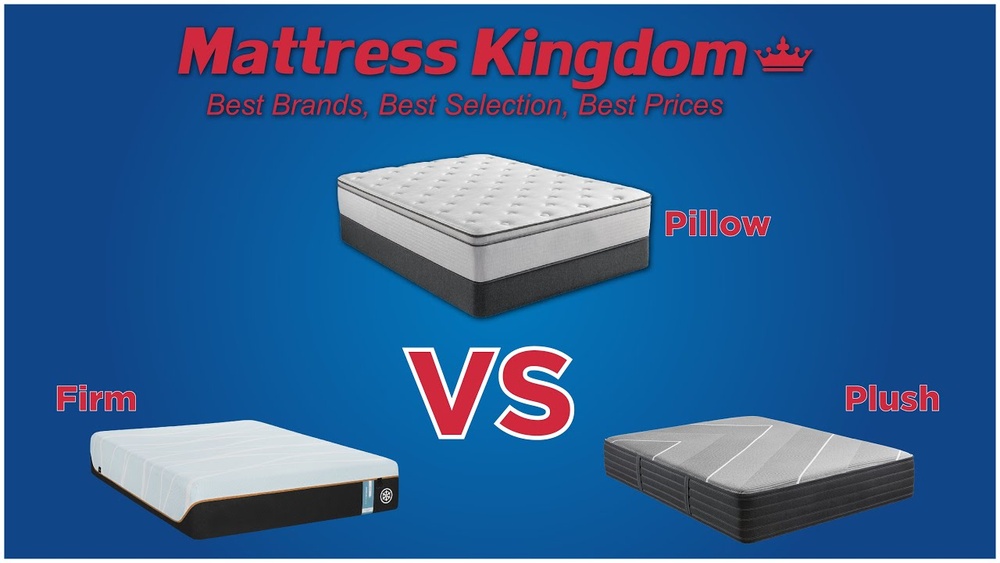
Plush mattresses feel soft but still offer good support. They have a gentle cushion that hugs your body. Pillow top mattresses add an extra layer on top. This makes them feel thicker and plusher. Pillow tops tend to be softer at first touch. Plush mattresses feel smoother and less bouncy. Both provide comfort but in slightly different ways.
Sleep Position Suitability
Side sleepers often prefer plush mattresses. The softness helps reduce pressure on shoulders and hips. Back sleepers may like pillow tops more. They offer extra padding without losing support. Stomach sleepers usually need firmer surfaces. Pillow tops can sometimes feel too soft for them. Plush mattresses can suit stomach sleepers if firm enough underneath.
Temperature Regulation
Plush mattresses usually allow better airflow. Their design helps heat escape quickly. Pillow top mattresses can trap more heat. The extra layer sometimes holds warmth close to the body. Some pillow tops use cooling materials to fix this. Overall, plush mattresses tend to stay cooler during sleep.
Durability And Maintenance
Durability and maintenance play a big role in choosing between plush and pillow top mattresses. Both types offer comfort, but their lifespan and care needs differ. Knowing these differences helps keep your mattress in good shape for years. It also saves money on replacements.
Longevity Of Materials
Plush mattresses use dense foam or latex layers. These materials resist wear well. They keep their shape longer and support your body consistently. Pillow top mattresses have an extra soft layer on top. This layer may use cotton, wool, or foam. It feels softer but wears out faster. Over time, pillow tops can flatten or sag. This reduces comfort and support.
Care Tips For Each Type
Rotate plush mattresses every 3 to 6 months. This prevents uneven wear and body impressions. Use a mattress protector to keep dust and spills away. Clean spills quickly with mild soap and water.
Pillow top mattresses need gentle care. Rotate often and avoid jumping on them. Use a mattress protector to shield the soft top layer. Air it out regularly to prevent moisture buildup. Spot clean stains carefully to avoid damage.
Price And Value
Choosing between a plush and a pillow top mattress involves understanding their price and value. Both types offer comfort but differ in cost and long-term benefits. Knowing these differences helps you make a smart choice for your budget and sleep quality.
Cost Differences
Plush mattresses usually cost less than pillow top mattresses. The reason is that plush mattresses have a softer foam layer but fewer extra materials. Pillow top mattresses add an extra layer sewn on top, which raises the price. Expect to pay more for pillow top mattresses but get extra cushioning and support. Both options have budget-friendly and high-end models depending on the brand and materials used.
Warranty And Guarantees
Warranties vary between plush and pillow top mattresses. Many pillow top models come with longer warranties because of their added features. A good warranty covers defects and sagging for at least 10 years. Plush mattresses may offer shorter warranties but still protect against major issues. Check the terms carefully to understand what is covered and for how long. A strong warranty adds value and peace of mind to your purchase.
Choosing The Right Mattress
Choosing the right mattress is key for a good night’s sleep. The mattress you pick affects your comfort, health, and how well you rest. Understanding the difference between plush and pillow top mattresses helps you decide what suits you best. Consider your personal comfort, health needs, and your room setup. These points guide you to the perfect mattress choice.
Personal Comfort Preferences
Comfort is different for everyone. Some like a soft mattress that feels like a cloud. Plush mattresses offer gentle cushioning and contour to your body. Others want a bit more support but still some softness. Pillow top mattresses add an extra layer on top for a soft but firm feel. Think about how you sleep and what makes you feel relaxed.
Health Considerations
Your health affects mattress choice. People with back pain need good support to keep the spine aligned. Pillow top mattresses often provide more support than plush ones. Plush mattresses can be too soft and cause poor posture during sleep. Consider allergies too. Some mattress materials are better for those sensitive to dust or mites.
Room And Bed Frame Compatibility
Size and style of your room matter. Plush and pillow top mattresses vary in thickness and weight. Make sure your bed frame can hold the mattress. Some frames work better with thinner mattresses. Pillow tops are usually thicker and need strong frames. Measure your space and check frame details before buying.
Credit: www.citymattress.com
Frequently Asked Questions
What Is The Difference Between Plush And Pillow Top Mattresses?
A plush mattress offers a soft, cushioned feel with more body contouring. Pillow top mattresses have an extra layer sewn on top for added softness and support. Both enhance comfort but differ in construction and firmness levels.
Which Mattress Is Better For Side Sleepers: Plush Or Pillow Top?
Side sleepers often prefer plush mattresses for their pressure relief on shoulders and hips. Pillow tops also provide cushioning but may feel firmer. Choosing depends on individual comfort and support needs for proper spinal alignment.
Are Plush Mattresses More Durable Than Pillow Top Ones?
Durability depends on materials and construction, not just mattress type. Pillow tops may wear faster due to the added layer. Plush mattresses with high-quality foam or coils can last longer with proper care.
Do Pillow Top Mattresses Provide Better Support Than Plush?
Pillow tops add a soft layer but don’t always improve support. Plush mattresses contour the body more, offering better pressure relief. Support quality depends on the mattress core, not only the surface comfort layer.
Conclusion
Choosing between plush and pillow top mattresses depends on your comfort needs. Plush mattresses offer softness with gentle support. Pillow top mattresses add extra cushioning on top for a cloud-like feel. Think about your sleeping style and pain points. Both types can improve your sleep quality.
Test them if possible before deciding. Sleep well and enjoy your restful nights.